
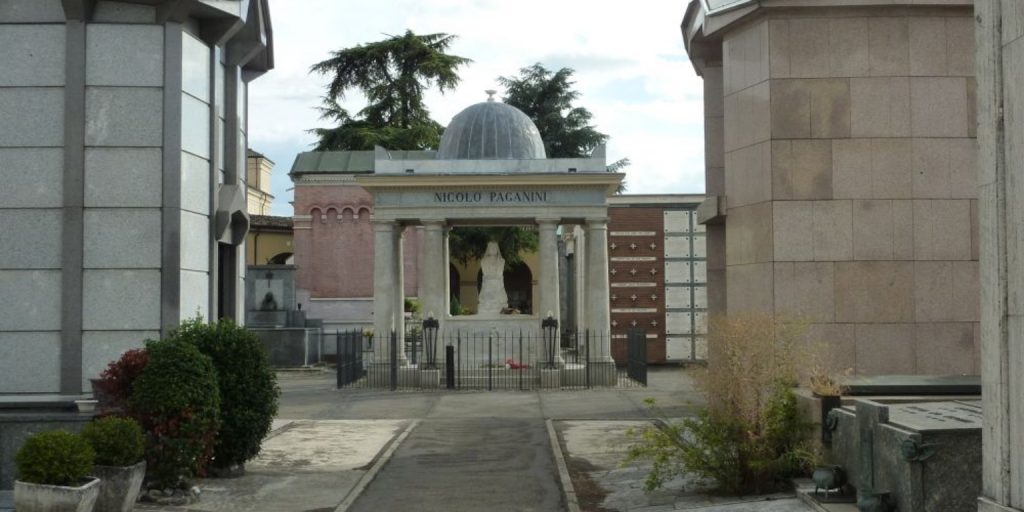
In the tranquil and elegant Cimitero della Villetta in Parma, Italy, lies the final resting place of one of the most enigmatic figures in music history: Niccolò Paganini. Tomb of Niccolo Paganini in Parma is a pilgrimage site for music lovers, a serene monument that marks the end of a long, tumultuous journey. For a man whose life was filled with controversy, fame, and a reputation for having made a pact with the devil, his burial was perhaps the final and most dramatic chapter of his story, one that took decades to reach its conclusion.
A Controversial Life and a Delayed Burial
Niccolo Paganini genius on the violin was so revolutionary that it was often attributed to supernatural powers. His virtuosic technique, dramatic stage presence, and gaunt appearance fueled rumors that he was in league with Lucifer. These rumors followed him throughout his life and, tragically, pursued him even after his death. When he passed away in Nice in 1840, the local Bishop, citing Paganini’s refusal of the final sacrament and his notorious reputation, denied his body a burial in consecrated ground.
This began a harrowing and undignified odyssey for the great violinist’s remains. Without a proper grave, his body was embalmed and stored in various temporary locations—a cellar, a leper hospital, and even an olive-oil factory. For years, his son, Achille Paganini, fought tirelessly to secure a proper burial for his father. It was a long and arduous legal battle, one that became a symbol of the clash between art and religious dogma. It wasn’t until 1876, 36 years after his death and with the intervention of the Duchess of Parma and a direct appeal to the Pope, that Paganini’s body finally found a home in Italy, in the Villetta Cemetery.
A Fitting Final Resting Place
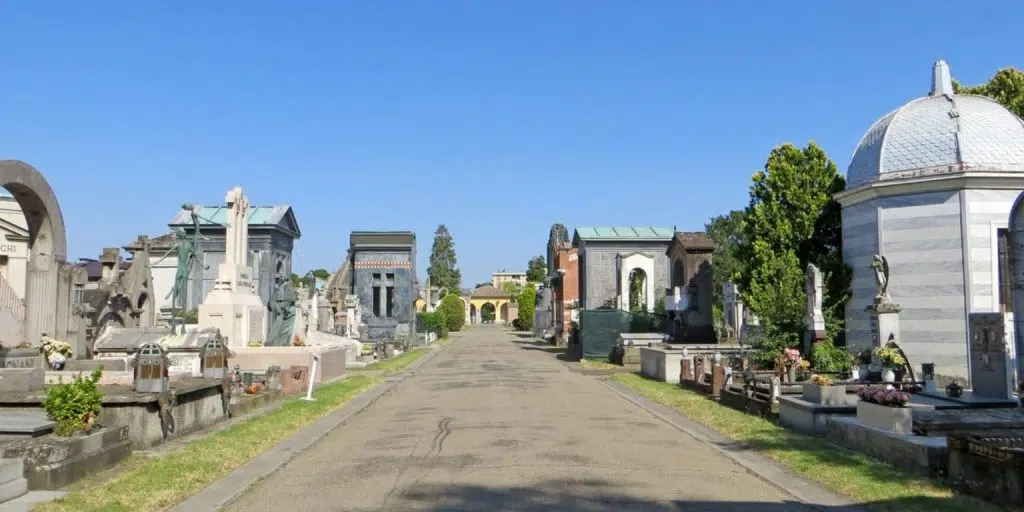
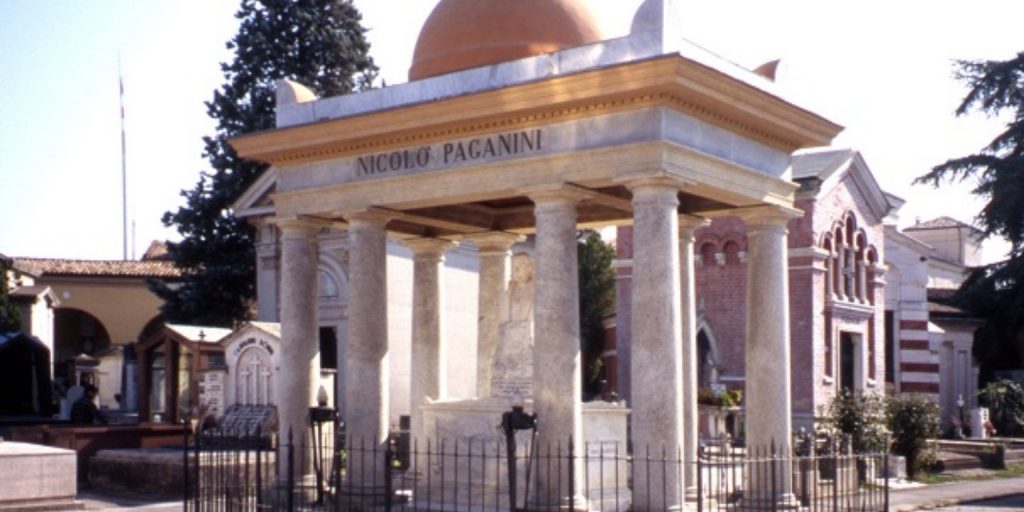
The monument that marks Paganini’s grave in Parma is a dignified and fitting tribute to his legacy. Surrounded by the serene atmosphere of the historic cemetery,Tomb of Niccolo Paganini is a place of quiet reflection. While less grand than other monuments to musical giants, its solemnity and grace speak volumes about the artist’s enduring influence. It is here, far from the controversies that haunted his life, that his musical genius is finally celebrated without judgment.
In 1896, after his body was exhumed for a viewing by the Czech violinist František Ondříček, Paganini’s remains were finally laid to rest in their current and permanent position within the cemetery. His final resting place in Parma is a testament to the city’s rich musical tradition and its recognition of Paganini’s importance, despite the controversies that surrounded him. It has become a site of pilgrimage for violinists and classical music enthusiasts from all over the world, who come to pay their respects to the man who single-handedly changed the course of violin performance.
A Legacy Beyond the Grave
Tomb of Niccolo Paganini in Parma in Parma is a powerful symbol of Paganini’s immense and enduring legacy. It represents not only his final peace but also his triumph over the prejudice and superstition of his time. His music, once thought to be the work of the devil, is now celebrated for its incredible technical innovation and emotional depth. His compositions, from the famous 24 Caprices to his concertos, remain a cornerstone of the violin repertoire.
For those visiting Parma, a city rich with operatic history and culinary delights, a visit to the Villetta Cemetery offers a poignant and unforgettable experience. It is a quiet escape from the city’s bustle, a place where one can contemplate the life of a true revolutionary. The Tomb of Niccolo Paganini is not just a grave; it is a monument to genius, a symbol of resilience, and a final, peaceful note in the tumultuous symphony of a legendary life.