
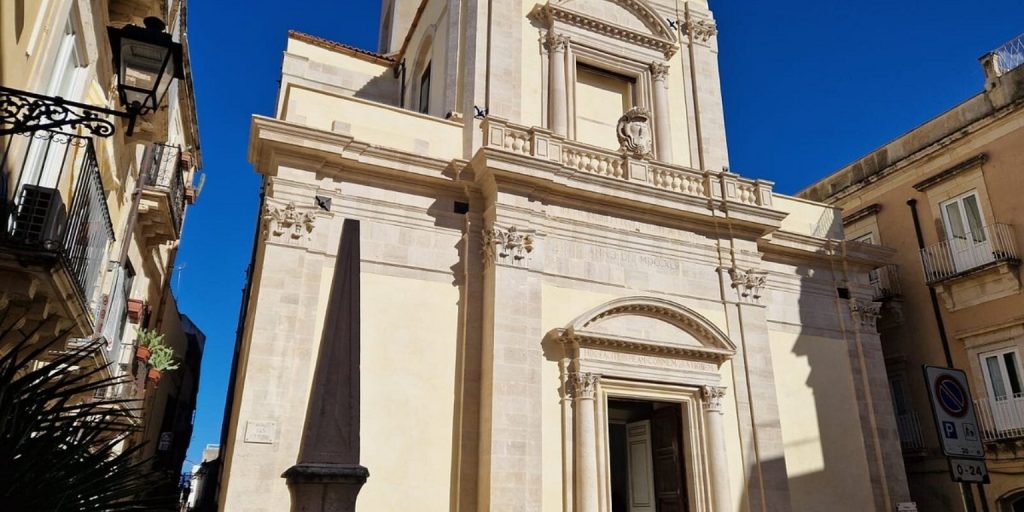
In the stunningly beautiful historic quarter of Syracuse, Sicily, the island of Ortigia is a labyrinth of charming streets and sun-drenched squares. Among its many architectural gems, the Chiesa di San Filippo Apostolo (Church of St. Philip the Apostle) stands as a quiet yet powerful monument to the city’s complex and layered history. While its elegant Baroque facade is a feast for the eyes, the true magic of this church lies beneath its foundation, where a journey into a hidden, multi-layered past awaits.
From Synagogue to Sanctuary
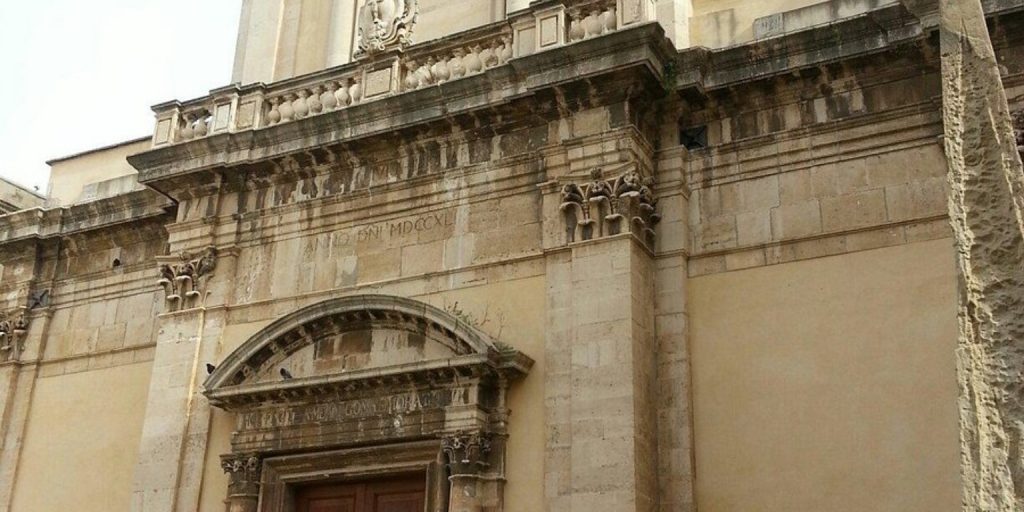
The history of the Chiesa di San Filippo Apostolo is a story of transformation and resilience. The current church, an elegant example of Sicilian Baroque architecture with a Greek cross plan, was built in the early 18th century, a period of major reconstruction following the catastrophic earthquake of 1693 that devastated much of eastern Sicily. However, its history goes back much further.
The church was deliberately constructed on the site of a former synagogue, in the heart of what was once Syracuse’s vibrant Jewish quarter, the Giudecca. After the expulsion of Jews from Sicily in 1492, the building was converted into a Christian church. This act of religious succession left a remarkable legacy: the church’s deepest secrets remained preserved, hidden beneath layers of later construction, waiting to be rediscovered by future generations.
A Journey Underground: Crypts, Shelters, and a Mikveh
The real adventure at the Chiesa di San Filippo Apostolo begins when visitors descend into its subterranean world. The church’s underpinnings are a fascinating hypogeum, a network of underground chambers that tell a distinct story from each period of Syracuse’s history. The first level below the church is a crypt, which contains funerary niches and ancient frescoes that hint at its use as a burial site for the church’s confraternity.
Below the crypt, the space transforms into a dark, eerie network of tunnels and chambers that served as an air-raid shelter for the local population during World War II. The walls still bear the marks of its desperate use, a haunting reminder of the city’s modern history.
The deepest and most significant layer of this underground journey reveals a hidden treasure: an ancient Jewish ritual bath, or mikveh. Carved into the rock, this bath was a vital part of the synagogue that once stood above. Fed by natural spring water, the mikveh was used for purification rituals and is a tangible link to Syracuse’s once-thriving Jewish community. Its discovery and preservation are of immense historical importance, making the Chiesa di San Filippo Apostolo a rare site where Christian, medieval, and ancient histories are all preserved under a single roof.
A Symbol of Ortigia’s Layers
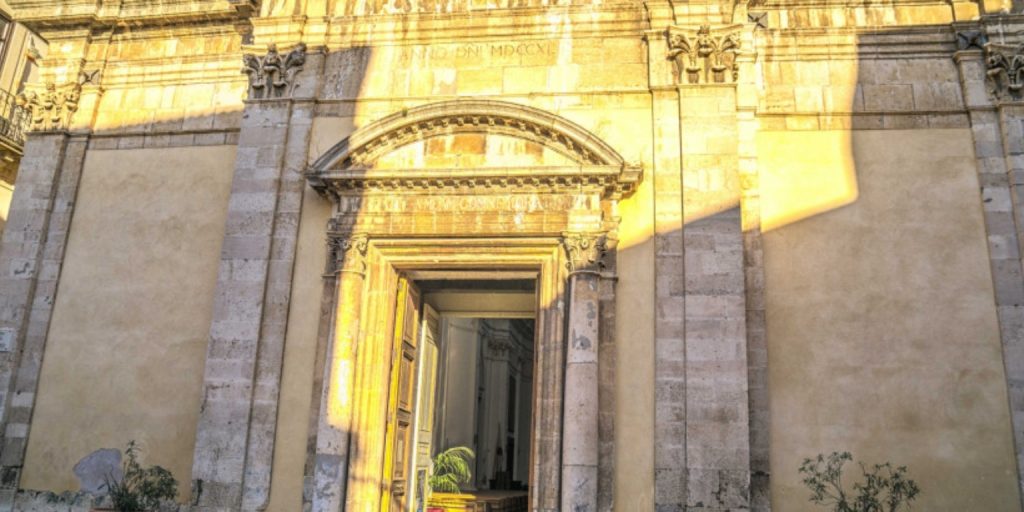
The Chiesa di San Filippo Apostolo is a powerful symbol of Ortigia’s layered past. The neighborhood of Giudecca is known for its winding streets and its historical importance as the Jewish quarter, and this church is arguably its most profound monument. It is a place where one can witness the seamless integration of different cultures and eras, from the ancient quarry to the Baroque church, and from the Jewish mikveh to the modern-era bomb shelter.
For travelers seeking an experience that goes beyond a beautiful facade, a visit to the Chiesa di San Filippo Apostolo is an absolute must. It offers not only a glimpse into architectural beauty but also a rare and moving journey through the hidden history of Syracuse. It is a place that reminds us that even in the most serene of settings, the echoes of many different pasts are still waiting to be discovered.