

Table of Contents
City of Music
Vienna, the capital of Austria, is a vibrant city known for its rich history, stunning architecture, and cultural heritage. It’s often referred to as the “City of Music” due to its association with famous composers like Mozart, Beethoven, and Strauss. Vienna is famous for its imperial palaces, grand boulevards, and delicious pastries.
Key Features of Vienna
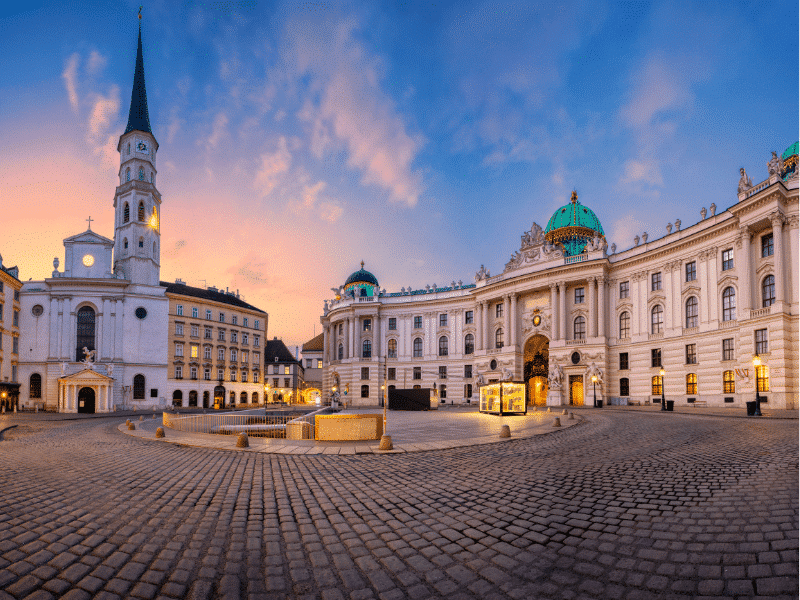
- Imperial Architecture: Vienna is renowned for its stunning imperial architecture, including the Schönbrunn Palace, the Hofburg Palace, and St. Stephen’s Cathedral.
- Music: The city is often referred to as the “City of Music” due to its association with famous composers like Mozart, Beethoven, and Strauss.
- Coffee Culture: Vienna has a strong coffee culture, with numerous coffee houses serving delicious Viennese coffee specialties.
- Parks and Gardens: The city is surrounded by beautiful parks and gardens, including the Schönbrunn Palace gardens and the Prater park.
- Museums and Galleries: Vienna has a variety of museums and art galleries, showcasing a wide range of exhibits.
- Opera and Theater: The city offers a vibrant opera and theater scene, with world-class performances.
- Danube River: The Danube River flows through Vienna, offering scenic views and boat tours.
- Christmas Markets: Vienna is famous for its Christmas markets, which are among the best in Europe.
Fun Facts About Vienna
- The City of Music: Vienna is often called the “City of Music” due to its rich musical heritage and famous composers.
- The Home of the Waltz: The waltz, a popular dance and musical form, originated in Vienna.
- The City of Coffee Houses: Vienna has a strong coffee culture, with numerous coffee houses serving delicious Viennese coffee specialties.
- The City of Sacher Torte: Sacher Torte, a famous chocolate cake, was invented in Vienna.
- The City of Parks: Vienna is surrounded by beautiful parks and gardens, including the Schönbrunn Palace gardens and the Prater park.
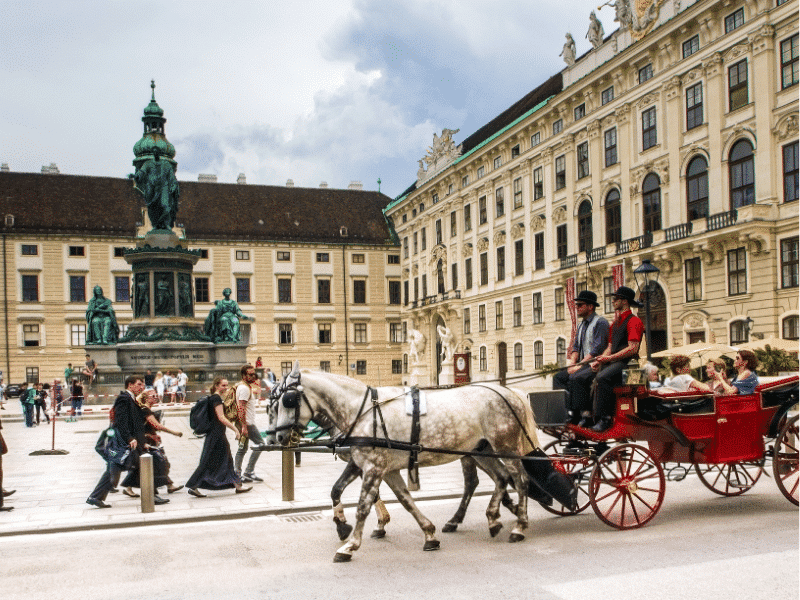
- The City of Horses: Horse-drawn carriages are a popular mode of transportation in Vienna, especially in the historic center.
- A City of Festivals: Vienna hosts numerous festivals throughout the year, including the Vienna Film Festival and the Vienna Summer Festival.
- A City of Architecture: Vienna is a treasure trove of architectural styles, with influences from Baroque, Gothic, and Art Nouveau periods.
Local Legends of Vienna
- The Legend of the Phantom of the Opera: While not exclusive to Vienna, the legend of the Phantom of the Opera has also found its way to the city. Some believe that the Phantom may have once haunted the Vienna State Opera House, adding a touch of mystery to this iconic venue.
- The Legend of the Green Man: A popular legend tells of the Green Man, a mysterious figure who is said to appear in the Vienna Woods. The Green Man is often depicted as a tree spirit or a nature deity, and he is said to bring good fortune to those who encounter him.
- The Legend of the Flying Dutchman: The legend of the Flying Dutchman, a ghostly ship doomed to sail the seas forever, has been associated with the Danube River in Vienna. Some believe that the Flying Dutchman has been sighted on the river, bringing bad luck to those who witness it.
- The Legend of the Blue Danube: The Danube River, which flows through Vienna, is the subject of several legends and folklore. One popular legend tells of a young couple who fell in love while rowing on the Danube. Their love story is said to have inspired the famous waltz “The Blue Danube.”

What about the history of Vienna?
- Roman Settlement: Founded as the Roman colony of Vindobona, Vienna has a long and rich history dating back to the Roman era.
- Habsburg Capital: In the 12th century, Vienna became the capital of the Duchy of Austria and later the Habsburg Empire, one of the most powerful dynasties in Europe.
- Imperial City: Vienna’s status as the imperial capital led to the construction of numerous magnificent palaces and other grand buildings.
- Cultural Flourishing: The Habsburg rulers were patrons of the arts, fostering a vibrant cultural scene in Vienna. The city became a center for music, literature, and the arts.
- Congress of Vienna: In 1814-15, the Congress of Vienna was held in Vienna, reshaping the political map of Europe after the Napoleonic Wars.
- World Wars: Vienna suffered damage during both World Wars but was rebuilt after the devastation.
- Modern Renaissance: In recent decades, Vienna has experienced a cultural and economic renaissance, becoming a vibrant and cosmopolitan city.
Must-Try Food in Vienna

Traditional Viennese Cuisine:
- Wiener Schnitzel: A breaded and fried veal cutlet, a classic Viennese dish.
- Sacher Torte: A famous chocolate cake invented in Vienna.
- Apple Strudel: A flaky pastry filled with apples, raisins, and cinnamon.
- Gulasch: A hearty stew made with beef, vegetables, and paprika.
- Wiener Würstel: A sausage served with mustard and bread.
- Sachertorte: A rich chocolate cake layered with apricot jam and topped with chocolate glaze.
Local Specialties:
- Käsekrainer: A sausage filled with cheese.
- Germknödel: A sweet dumpling filled with apricot jam and served with poppy seed sauce.
- Heurigen: A traditional Viennese tavern serving food and wine.
- Kaiserschmarrn: A sweet pancake dish made with shredded pancakes and served with apricot jam and powdered sugar.
Must Visit Attractions in Vienna
University of Vienna: One of the oldest universities in Europe, the University of Vienna is a renowned institution with a beautiful historic building.
Anker Clock: This astronomical clock is a masterpiece of engineering and artistry, located on the facade of the Anker Bank building.
St. Stephen’s Cathedral: A Gothic masterpiece, St. Stephen’s Cathedral is the most iconic landmark in Vienna, offering stunning views from its south tower.
Peterskirche: A Baroque church with a distinctive dome, Peterskirche is known for its beautiful interior and its location on the Petersplatz.
Hofburg: The former imperial palace, the Hofburg is a complex of buildings that now houses museums, libraries, and cultural institutions.
Natural History Museum: One of the world’s largest natural history museums, the Naturhistorisches Museum showcases a vast collection of specimens from the natural world.
Vienna State Opera: A world-renowned opera house, the Vienna State Opera hosts performances of classic operas and ballets.
Albertina Museum: A museum of fine arts, the Albertina houses a vast collection of prints, drawings, and paintings by renowned artists.
Johan Strauss Monument: A bronze statue honoring the famous composer Johann Strauss, located in the city center.
This walking tour will take you through the heart of Vienna, allowing you to experience the city’s rich history, stunning architecture, and cultural significance.
Embark on an unforgettable journey through the enchanting city of Vienna with World City Trail. Our interactive walking tour combines the thrill of exploration with the rich history and culture of this beatiful city.
Key Features:
Interactive gameplay: Solve engaging puzzles and challenges as you explore the city.
Iconic landmarks: Discover famous attractions like the Anker clock and St.Stephen’s cathedral
Hidden gems: Uncover lesser-known spots, such as the Vienna State Opera and the Albertina museum
Cultural insights: Learn about Vienna’s fascinating history.
Flexibility: Explore at your own pace and create your own itinerary.
Learn more fun facts about Vienna, local stories and information about its attractions!
Book your Vienna adventure today and experience the magic of this beatiful city.
Further reading on Wikipedia: Danube