
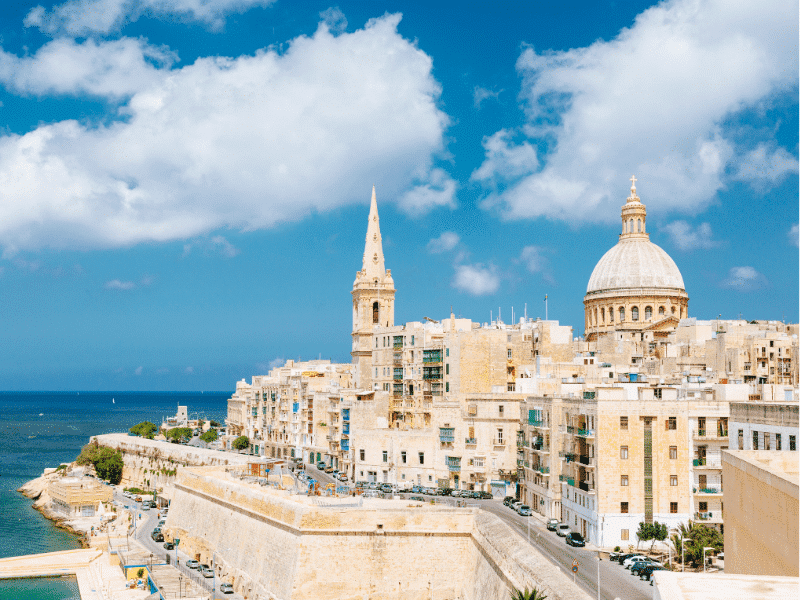
The medieval Capital
Valletta, the capital of Malta, is a UNESCO World Heritage Site known for its rich history, stunning architecture, and vibrant culture. The city is built on a peninsula and offers breathtaking views of the Mediterranean Sea. Valletta is famous for its fortifications, baroque architecture, and historical landmarks like the St. John’s Co-Cathedral and the Grand Master’s Palace.
Key Features of Valletta
- UNESCO World Heritage Site: Valletta is a UNESCO World Heritage Site, recognized for its unique architectural and cultural heritage.
- Fortifications: The city is surrounded by impressive fortifications, built by the Knights of Malta to protect the island.
- Baroque Architecture: Valletta is known for its stunning Baroque architecture, which is evident in many of its churches, palaces, and other buildings.
- Historical Landmarks: The city is home to numerous historical landmarks, including the St. John’s Co-Cathedral, the Grand Master’s Palace, and the Fort Manoel.
- Mediterranean Views: Valletta’s location on a peninsula offers breathtaking views of the Mediterranean Sea.
- Cultural Heritage: The city has a rich cultural heritage, with museums, theaters, and cultural events.
- Compact Size: Valletta is a relatively small city, making it easy to explore on foot.
- Shopping and Dining: The city offers a variety of shopping and dining options, with shops selling local crafts and restaurants serving delicious Maltese cuisine.
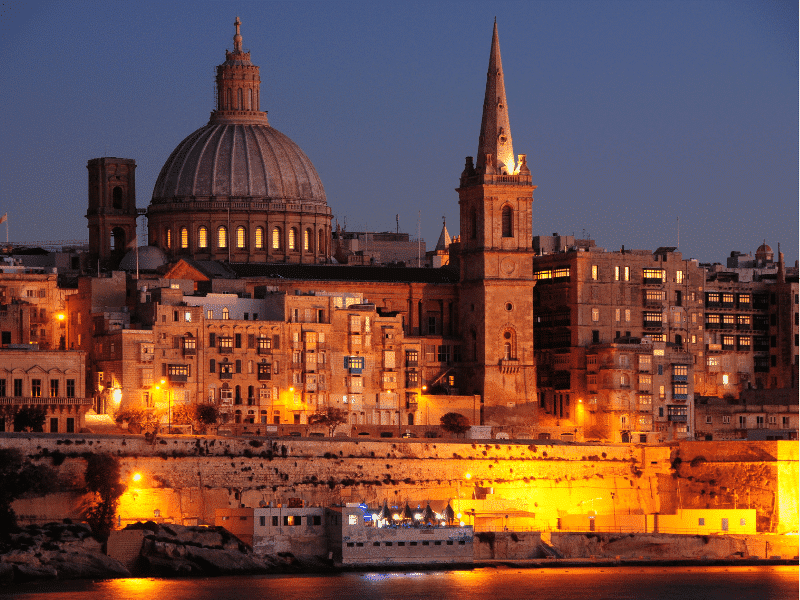
Fun Facts About Valletta
- The World’s Smallest Capital City: Valletta is often considered one of the smallest capital cities in the world.
- A City of Knights: The city was founded by the Knights of Malta, a military order that ruled Malta for centuries.
- A City of Forts: Valletta is surrounded by numerous forts and fortifications, built to protect the island from invaders.
- A City of Cats: Valletta is home to a large population of stray cats, which are often seen wandering the streets.
- A City of Festivals: Valletta hosts numerous festivals throughout the year, including the Malta Music Festival and the Valletta International Film Festival.
- A City of History: Valletta’s history dates back to the Phoenicians, and the city has been ruled by various civilizations over the centuries.
- A City of Sunshine: Valletta enjoys a Mediterranean climate with plenty of sunshine and warm temperatures.
- A City of Architecture: Valletta is a treasure trove of architectural styles, with influences from Baroque, Mannerist, and Neoclassical periods.
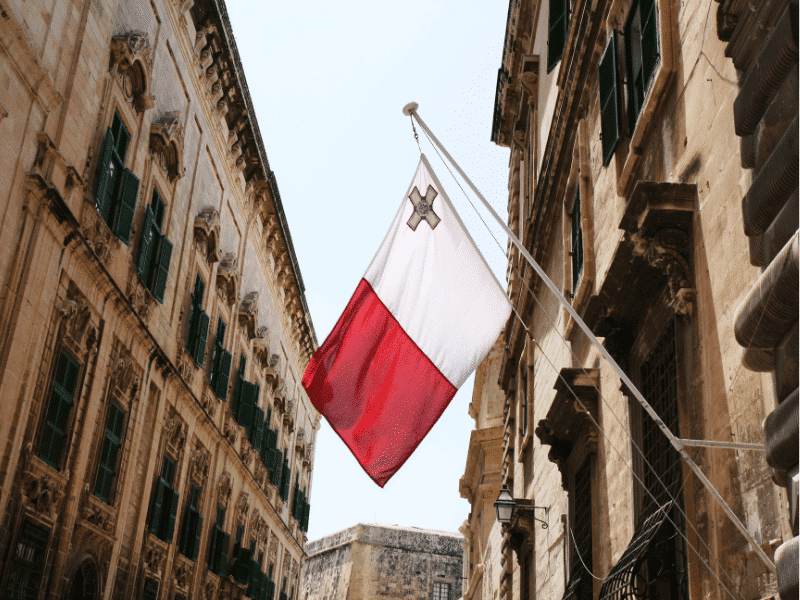
Local Legends of Valletta
Valletta, a city steeped in history and culture, has its fair share of local legends and folklore. Here are a few of the most well-known:
- The Legend of the Phantom of the Opera: While not exclusive to Valletta, the legend of the Phantom of the Opera has also found its way to Malta. Some believe that the Phantom may have once haunted the Manoel Theatre, a historic theater in Valletta.
- The Legend of the Maltese Falcon: This famous detective novel by Dashiell Hammett is set in Malta and features the city of Valletta. Although the story is fictional, it has contributed to the city’s mystique and allure.
- The Legend of the Knights of Malta: The Knights of Malta, who ruled Malta for centuries, are the subject of many legends and stories. Some tales speak of their bravery and heroism, while others tell of their more sinister side.
- The Legend of the Blue Grotto: The Blue Grotto, a natural sea cave near Valletta, is the subject of several legends. Some say that it is haunted by a mermaid, while others believe that it is a portal to another world.
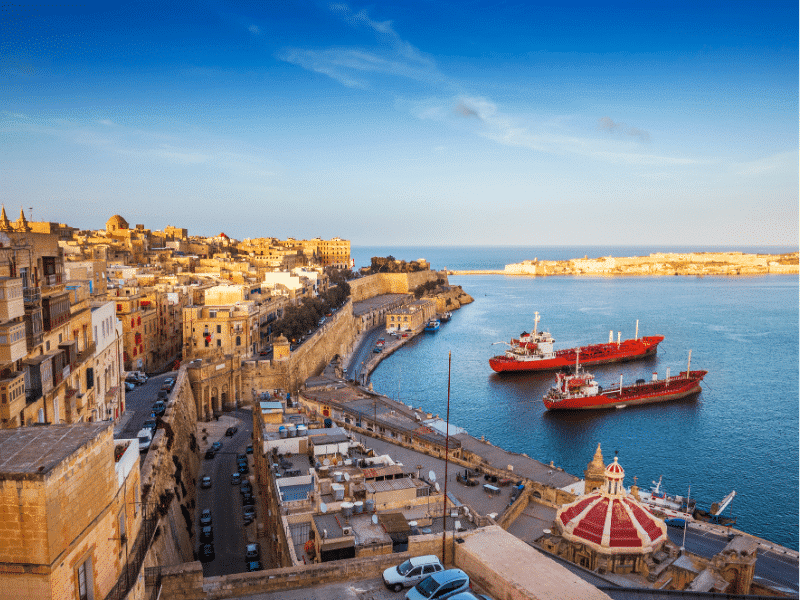
What about the history of Valletta?
- Knights of Malta: Founded by the Knights of Malta in the 16th century, Valletta was designed as a fortified city to protect the island from invaders.
- Fortifications: The city’s impressive fortifications, including the Valletta fortifications and the Fort Manoel, were built to defend Malta against attacks.
- Baroque Architecture: Valletta is a prime example of Baroque architecture, with its ornate churches, palaces, and other buildings.
- British Rule: Malta came under British rule in 1800, which influenced its culture and language.
- World War II: Valletta suffered heavy damage during World War II but was rebuilt after the devastation.
- Independence: Malta gained independence from Britain in 1964, becoming a republic in 1974.
- UNESCO World Heritage Site: In 1980, Valletta was declared a UNESCO World Heritage Site, recognizing its unique architectural and cultural heritage.
Must-Try Food in Valletta
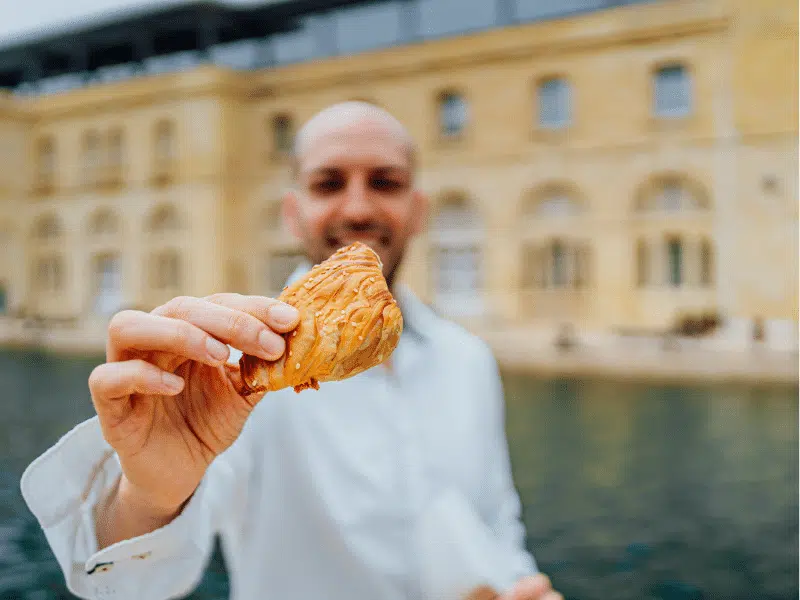
Maltese Specialties:
- Pastizzi: Savory pastries filled with ricotta cheese or peas.
- Lampuki: A delicious fish dish made with dorado or amberjack.
- Imqaret: Sweet pastries filled with date paste.
- Bebbux: A traditional Maltese stew made with rabbit or goat.
- Bigilla: A creamy dip made with fava beans.
- Ħobż biz-zejt: Maltese bread dipped in olive oil and garlic.
Must Visit Attractions in Valletta
Sa Maison Garden: A picturesque garden overlooking the Grand Harbour, offering a peaceful escape from the bustling city.
St. Publius Church: A Baroque church dedicated to the patron saint of Malta, featuring intricate decorations and stunning artwork.
Triton Fountain: A magnificent Baroque fountain depicting the sea god Triton, located in the heart of Valletta.
Upper Barrakka Gardens: A terraced garden overlooking the Grand Harbour, offering panoramic views of the city and the sea.
St. Catherine of Italy Church: A historic church with a beautiful facade and a tranquil interior.
St. John’s Co-Cathedral: A masterpiece of Baroque architecture, featuring intricate decorations, stunning paintings, and the Knights of Malta’s tomb.
Great Siege Square: A historic square commemorating the Great Siege of Malta in 1565, when the Knights of Malta defended the island from a Turkish invasion.
National Library of Malta: A public library housing a vast collection of books, manuscripts, and historical documents.
St. George’s Square: A central square in Valletta, surrounded by historic buildings and featuring a statue of Queen Victoria.
St. Paul’s Anglican Pro-Cathedral: A beautiful Anglican church with a neo-Gothic architecture.
This walking tour will take you through the heart of Valletta, allowing you to experience the city’s rich history, stunning architecture, and cultural significance.

Embark on an unforgettable journey through the enchanting city of Valletta with World City Trail. Our interactive walking tour combines the thrill of exploration with the rich history and culture of this beatiful city.
Key Features:
Interactive gameplay: Solve engaging puzzles and challenges as you explore the city.
Iconic landmarks: Discover famous attractions like the Sa maison garden and the St Publius
Hidden gems: Uncover lesser-known spots, such as the St Catherine of Italy or the St John cathedral
Cultural insights: Learn about Valletta’s fascinating history.
Flexibility: Explore at your own pace and create your own itinerary.
Learn more fun facts about Valletta, local stories and information about its attractions!
Book your Valletta adventure today and experience the magic of this beatiful city.
Further reading on Wikipedia: Saint John's Co-Cathedral