
Beneath the bustling streets and ancient monuments of Athens lies a fascinating, often unseen world: a labyrinth of underground tunnels and structures that whisper tales of millennia of human activity. Far from a single, unified system, Athens Underground Tunnels comprises a diverse array of ancient waterways, Roman crypts, Byzantine passages, Ottoman-era sewers, and even modern-day infrastructure and shelters. Exploring these hidden depths offers a unique perspective on the city’s continuous history and its enduring ingenuity.
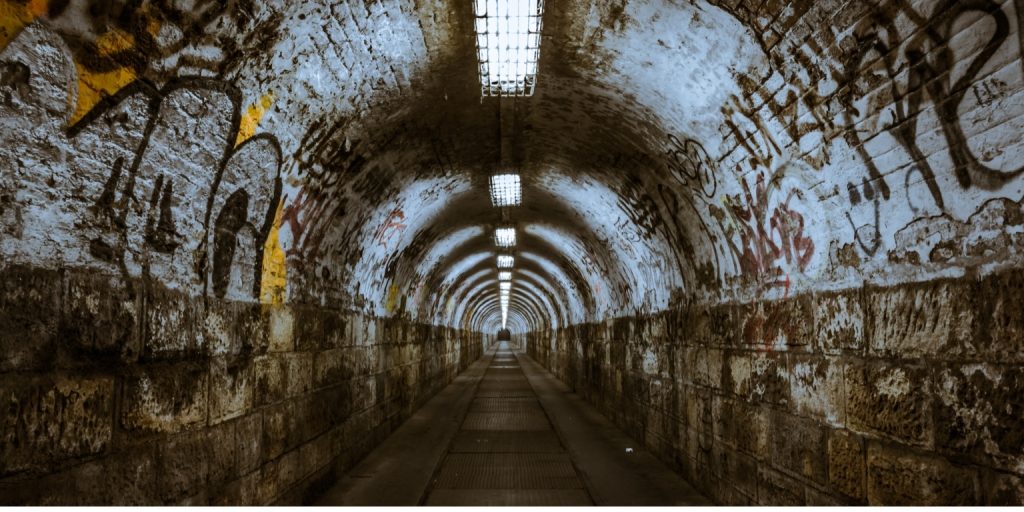
Ancient Arteries: Waterways and Necropolises
Athens Underground Tunnels date back to antiquity, primarily serving vital urban functions.
- Ancient Water Management Systems: As early as the Classical period (5th-4th centuries BC), Athenians developed sophisticated underground aqueducts and conduits to supply the city with fresh water from springs and distant sources. These intricate networks, often cut directly into bedrock or constructed with terracotta pipes, were crucial for public fountains, private homes, and agricultural needs. Remains of these ancient water systems can still be found beneath various parts of the city.
- Subterranean Cemeteries and Chambers: Ancient necropolises, like the Kerameikos Cemetery, contain elaborate underground tombs and burial chambers dating from the Classical to Roman periods. These structures, sometimes quite extensive, offer insights into ancient funerary practices and beliefs. Similarly, cisterns and storage chambers, also dating back to ancient times, lie beneath many archaeological sites, used for storing water or goods.
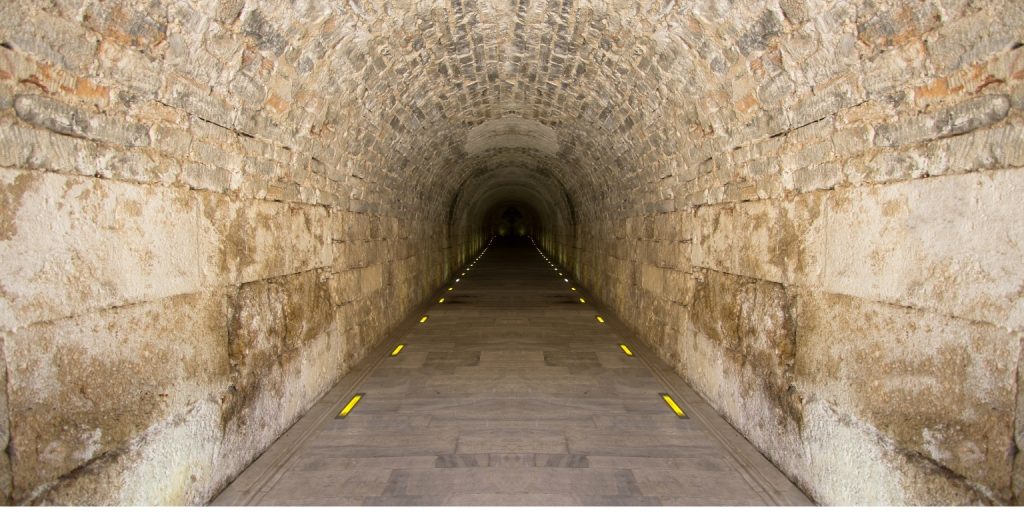
Roman and Byzantine Layers: Crypts and Connections
The Roman period (from 1st century BC to 4th century AD) introduced new forms of Athens Underground Tunnels, often incorporating or modifying earlier Greek structures.
- Roman Vaults and Crypts: Beneath the Roman Agora and other Roman-era constructions, subterranean vaults and crypts served various purposes, including storage, basements for grand public buildings, and even early Christian burial sites. The presence of the Roman Forum (built around 19-11 BC) and other Roman buildings implies a corresponding underground infrastructure.
- Early Christian and Byzantine Substructures: As Christianity gained prominence, the foundations of early Christian basilicas and Byzantine churches, often built atop ancient temples or Roman structures, sometimes incorporated older underground elements or created new crypts for religious purposes. Evidence of Byzantine-era tunnels or subterranean passages is less widespread as a unified system, but localized under-structures existed within religious and administrative complexes.
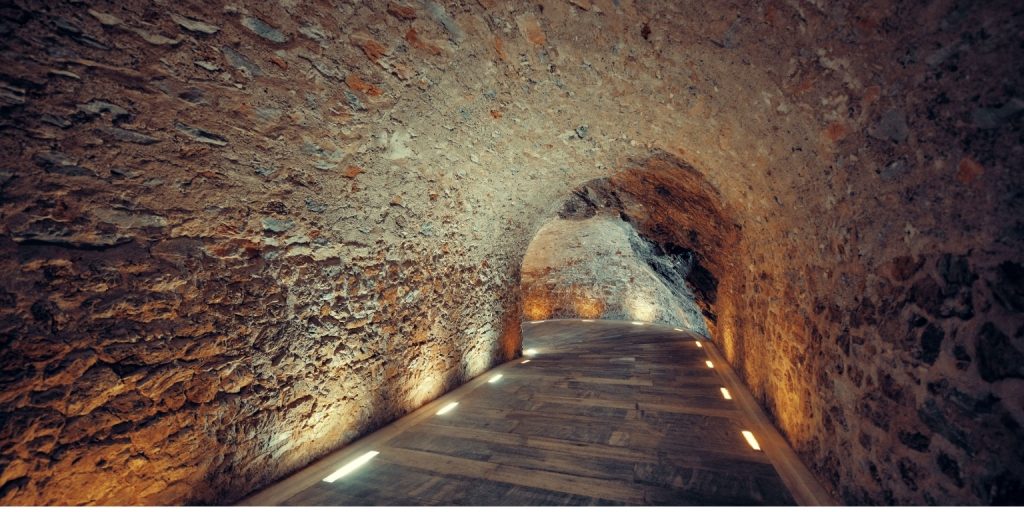
Ottoman and Modern Transformations: Sewers, Shelters, and Metro
The centuries of Ottoman rule (from the 15th to 19th centuries) saw a more organic, less centralized development of underground systems, primarily for sewage and drainage within the constricted urban fabric. However, the most extensive and Athens Underground Tunnels belong to the modern era.
- World War II Air-Raid Shelters: A significant network of underground tunnels and shelters was constructed in Athens, particularly during the 1930s and 1940s, in anticipation of and during World War II. These public and private shelters were designed to protect citizens from aerial bombardments. While many were rudimentary, some were quite extensive, providing refuge for thousands. Many of these have since been abandoned, sealed off, or integrated into later constructions.
- The Athens Metro: The most prominent and visible “underground tunnel” system in modern Athens is its Metro network. Construction of the modern metro lines (Lines 2 and 3) began in the early 1990s and the first extensions opened in 2000, with ongoing expansions since. This massive undertaking involved extensive tunneling beneath the densely built city. The metro project itself became an archaeological marvel, unearthing thousands of artifacts and revealing layers of ancient Athens at various station excavations. Several metro stations, such as Syntagma, Monastiraki, and Acropoli, have permanent archaeological displays showcasing findings directly from their construction sites, turning the metro into an underground museum.
- Utility Tunnels: Like any modern city, Athens has an extensive network of underground tunnels for utilities, including water pipes, sewage lines, electricity cables, and telecommunications. These are constantly being maintained and expanded.
While access to many of Athens’ historical underground tunnels is limited or impossible due to safety, preservation, or ongoing urban development, the Athens Metro offers the most accessible and fascinating public encounter with the city’s subterranean archaeological richness. From ancient aqueducts to modern subways, the hidden depths beneath Athens continue to tell the extraordinary story of a city built not just on, but also into, its layered past.