
Within the hallowed walls of All Souls College, one of the most prestigious and exclusive colleges at the University of Oxford, lies an architectural and scholarly masterpiece: the All Souls College Library. For centuries, this magnificent space has served as a sanctuary for research and a beacon of knowledge. However, its story is not just one of academic excellence; it is also a complex narrative that grapples with a difficult past. The library’s stunning beauty and unparalleled collection stand as a testament to intellectual pursuit, while its history serves as a powerful reminder of a legacy built on wealth derived from the transatlantic slave trade.
A Baroque Masterpiece with a Gothic Exterior
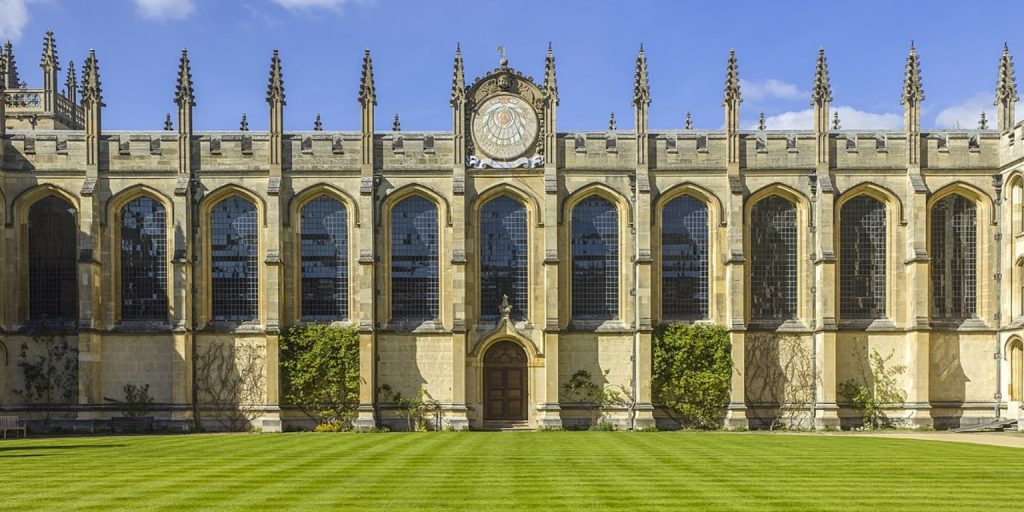
The All Souls College Library in Oxford is an architectural marvel designed by the visionary architect Nicholas Hawksmoor. Built between 1716 and 1751, the library is a unique and captivating blend of styles. Its exterior is a fine example of the English Baroque style, with its symmetrical design and ornate stonework, yet it was deliberately given Gothic features to harmonize with the college’s medieval chapel. This classical-interior, Gothic-exterior design is a rare and striking feature that sets it apart from other Oxford landmarks and makes it a fascinating subject for architectural historians.
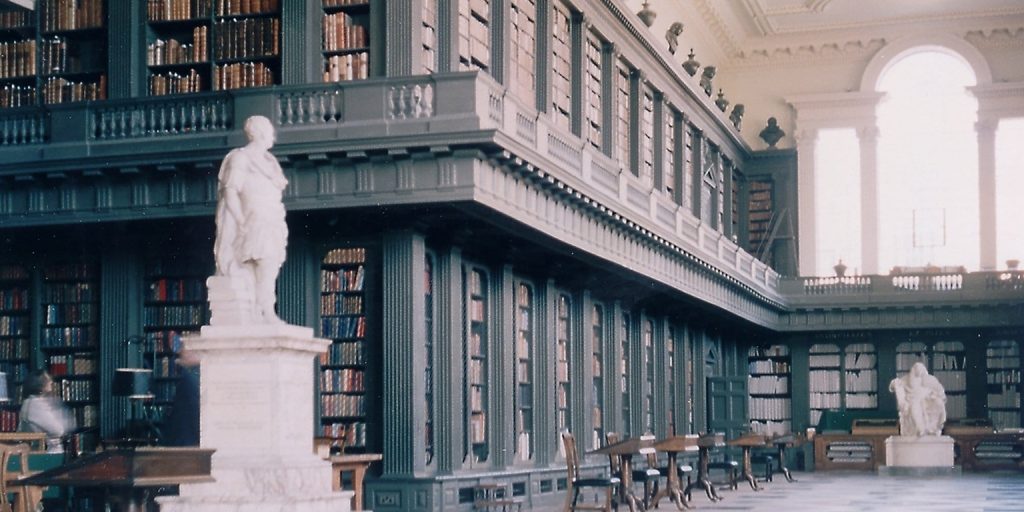
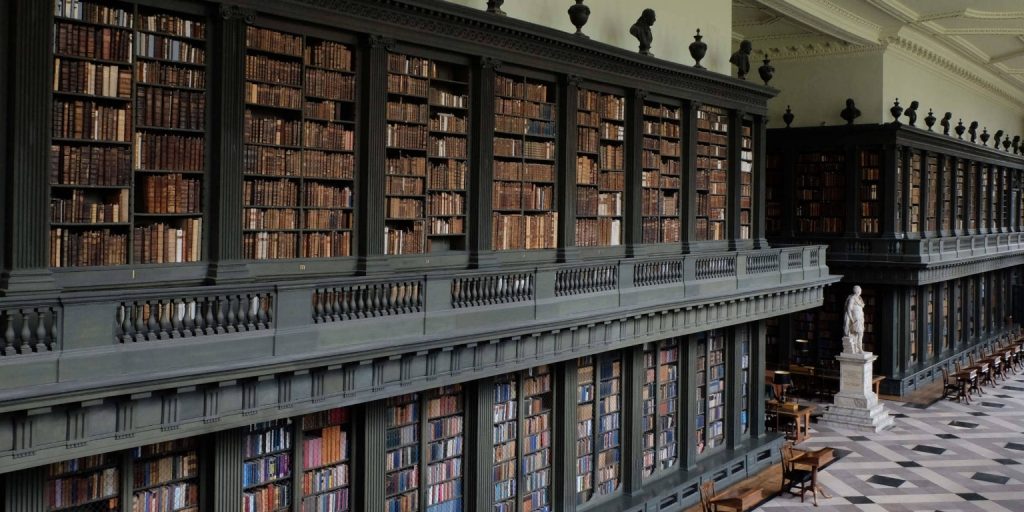
The interior of the library is a breathtaking sight. Soaring windows flood the space with natural light, illuminating a long, elegant room lined with towering bookshelves. The library’s famous busts and statues, including a central statue of its benefactor, stand as silent sentinels to centuries of academic endeavor. The delicate plasterwork on the ceiling, a hallmark of the era, adds to the sense of grandeur and scholarly tranquility. The library is not just a building; it is a meticulously crafted environment designed to inspire and facilitate serious research.
The Legacy of Christopher Codrington
The construction of the library was made possible by a substantial bequest from Christopher Codrington, a former fellow of All Souls. He left the college a vast sum of money and his personal collection of books. However, as modern scholarship and public discourse have highlighted, Codrington’s immense fortune was derived from his family’s sugar plantations in the West Indies, which were worked by hundreds of enslaved people.
In recognition of this painful history, All Souls College took a significant step in 2020 to re-examine Codrington’s legacy. The college made the decision to cease formally referring to the library by his name, and a plaque was installed at the entrance to commemorate the enslaved people who provided the labor that funded the building’s construction. This act of reinterpretation is a powerful acknowledgment of a difficult truth and a commitment to contextualizing the sources of the institution’s wealth, making the library not only a place of knowledge but also one of historical reckoning.
A Research Sanctuary, Not a Public Space
Unlike some other libraries in Oxford, such as the Bodleian’s Weston Library, the All Souls College Library in Oxford is not open to the general public. It remains a private, working research primarily for the use of the college’s fellows and academics. However, scholars from other Oxford colleges and from around the world can apply for special permission to consult its unique collections, which are particularly strong in law, military history, and pre-1800 printed books.
While the library’s interior is not accessible to tourists, visitors to All Souls College can admire its exterior from the Great Quadrangle, which is open to the public during limited hours. This glimpse into the college’s private world is a testament to its exclusive nature and its enduring role as a dedicated research institution.
The All Souls College Library is a symbol of both academic brilliance and historical complexity. Its elegant architecture and unparalleled collections speak to centuries of intellectual pursuit, while its evolving name and the plaque at its entrance serve as a stark and necessary reminder that even the most beautiful and scholarly places can have roots in a troubled past. It is a place that challenges us to consider not just what is inside, but how it came to be.