
Wandering through the hallowed streets of Oxford, a city steeped in intellectual and cultural history, visitors might notice small, circular signs adorning the walls of unassuming buildings. These are the city’s blue plaques, each one a silent storyteller, commemorating a remarkable person or significant event that shaped the world from this very spot. While many are familiar with the famous blue plaque scheme of London, Oxford’s is a distinct and equally significant project. It is a local initiative that paints a historical map across the city, turning a simple stroll into a journey of discovery. The blue-plaque-in-oxford scheme is a testament to the city’s commitment to honoring its incredible past, one building at a time.

A Distinctly Oxford Initiative
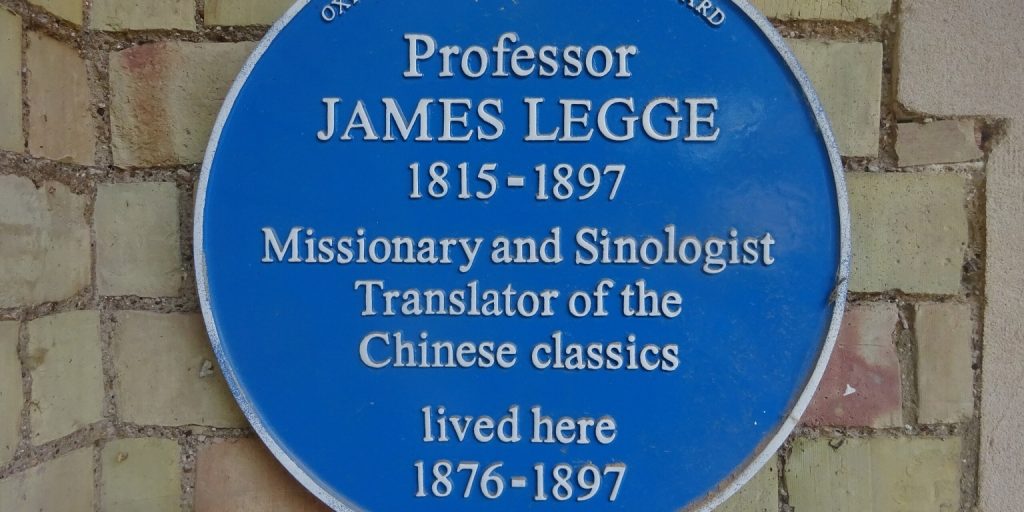
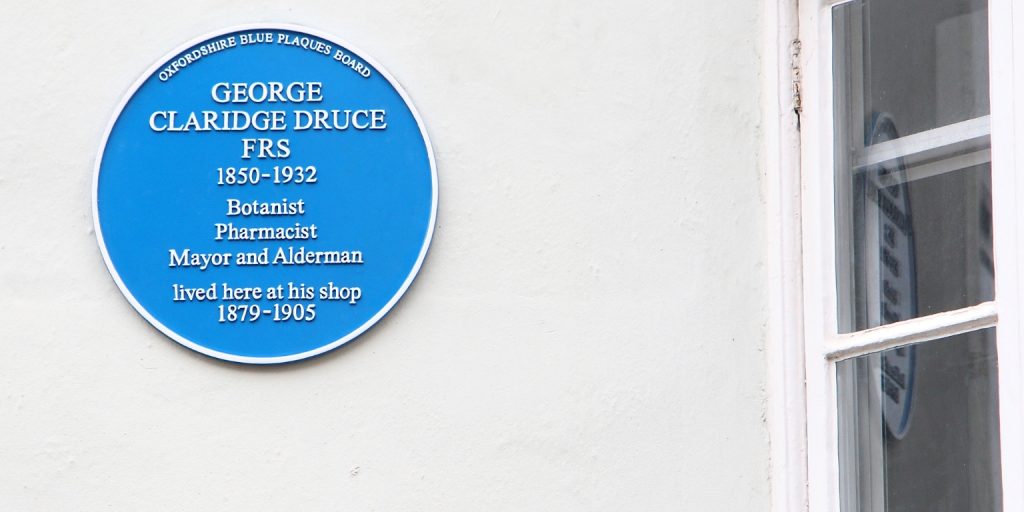
The Oxford blue plaque scheme is not administered by English Heritage, the organization responsible for the plaques in London. Instead, it is a collaborative effort managed by the Oxfordshire Blue Plaques Board, an autonomous voluntary body established in 1999. The board brings together representatives from a variety of local institutions, including the Oxford Preservation Trust, Oxford Civic Society, and the University of Oxford, ensuring that the plaques reflect the city’s deep connections to academia and community life.
The criteria for receiving a plaque are rigorous and designed to ensure that the individuals commemorated have had a profound and lasting impact. The subject must have died at least 20 years ago and have a strong, verifiable link to the building, often having lived or worked there for a substantial period. This meticulous approach ensures that each plaque is a genuine and meaningful tribute to a life well-lived and a contribution well-made.
A Roll Call of Giants and Innovators
The plaques scattered across Oxford tell an extraordinary variety of stories, from world-renowned authors and scientists to local heroes and social reformers. Among the most sought-after plaques are those dedicated to the city’s literary titans. At 20 Northmoor Road, a plaque commemorates J.R.R. Tolkien, the author of The Lord of the Rings, who lived in the house for 17 years. Just a short distance away, in the suburb of Headington, a plaque at The Kilns marks the former home of C.S. Lewis, Tolkien’s friend and fellow Inkling. These plaques create a tangible link to the places where some of the 20th century’s most beloved fantasy worlds were born.
The plaques also honor the scientific minds that have shaped our modern world. A plaque at 94 Woodstock Road pays tribute to Dorothy Crowfoot Hodgkin, the Nobel laureate in chemistry who unlocked the structures of penicillin and vitamin B12. At 83 High Street, visitors can find a plaque for Sarah Jane Cooper, the woman credited with inventing the famous Oxford marmalade. Another plaque on Broad Street remembers Cecil Jackson-Cole, the philanthropist who helped establish the first Oxfam shop, a global organization with deep roots in the city.
A Journey of Discovery for All
For residents and tourists alike, following the Blue Plaques trail is a rewarding way to explore the city’s hidden narratives. These plaques provide a historical narrative that is both accessible and deeply personal, allowing passersby to connect with the lives of the people who inhabited these very spaces. They remind us that the intellectual giants and innovators of the past were not just names in a textbook, but real people who lived, worked, and dreamed on these streets.
The Oxford blue plaque scheme is a powerful tool for public history. It transforms the city’s landscape into a gallery of human achievement, encouraging people to look up from their phones and engage with the stories etched in stone. It celebrates not just the famous, but also those who made lasting, quiet contributions to society. In a city of “dreaming spires,” the blue plaques are a beautiful reality, a visible record of the countless individuals who have made Oxford the unique and inspiring place it is today.