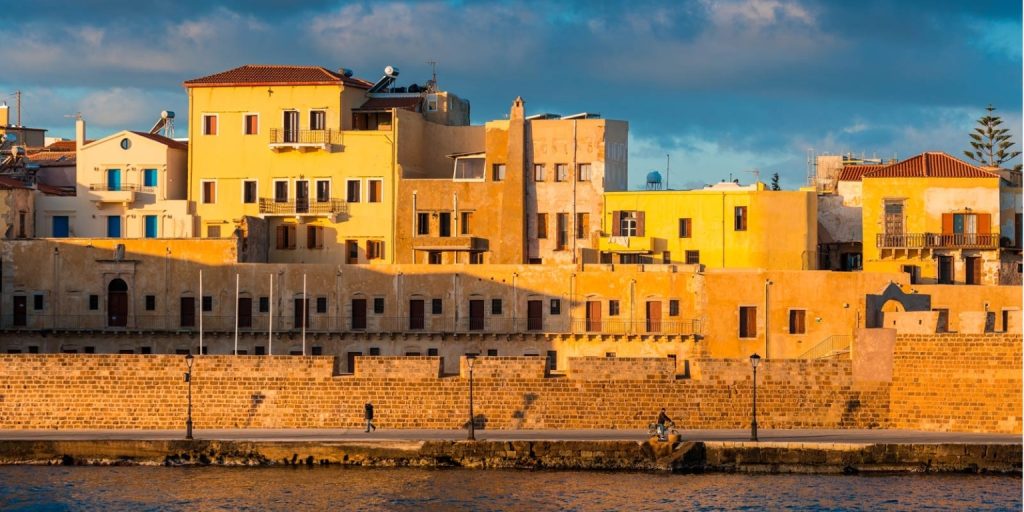
Firka Fortress: A Venetian Bastion
The fortress was built by the Venetians, who ruled Crete from the 13th to the 17th century. Its official name
The fortress was built by the Venetians, who ruled Crete from the 13th to the 17th century. Its official name
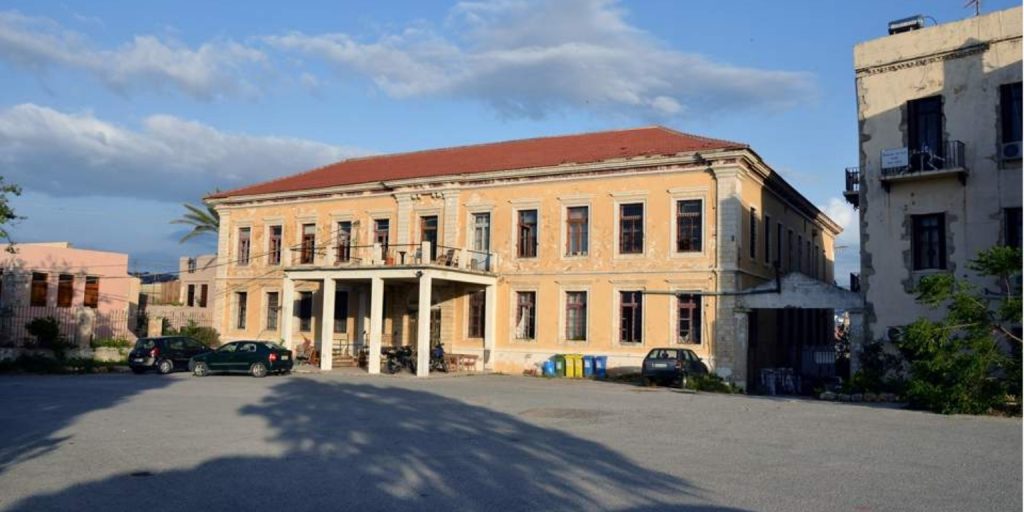
Rosa Nera in Chania: the 1870s courthouse on Kastelli hill that became Cretan State seat, army HQ, squat and a contested hotel plan. Checked October 2026.
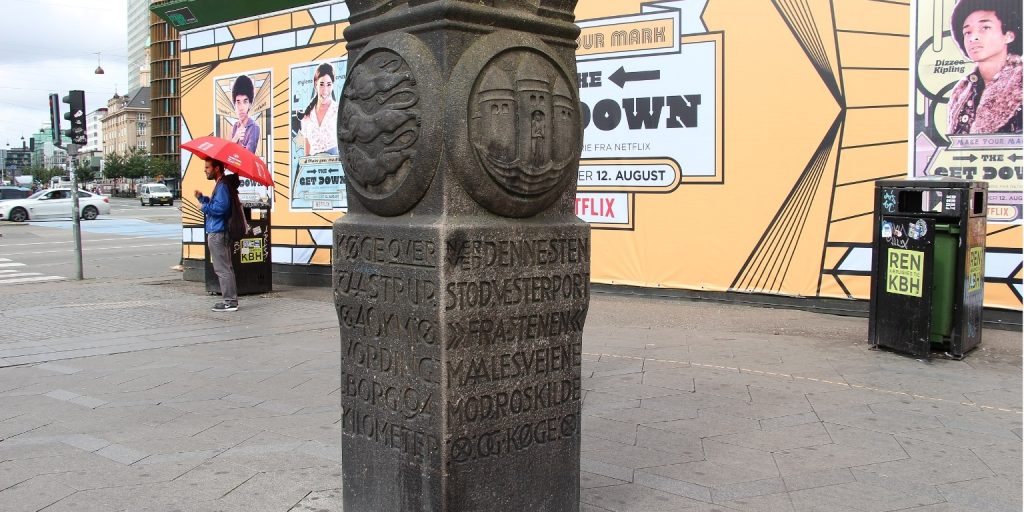
Copenhagen’s zero kilometre stones: four markers where the old city gates stood, P.V. Jensen-Klint’s design and City Hall Square. Checked October 2026.
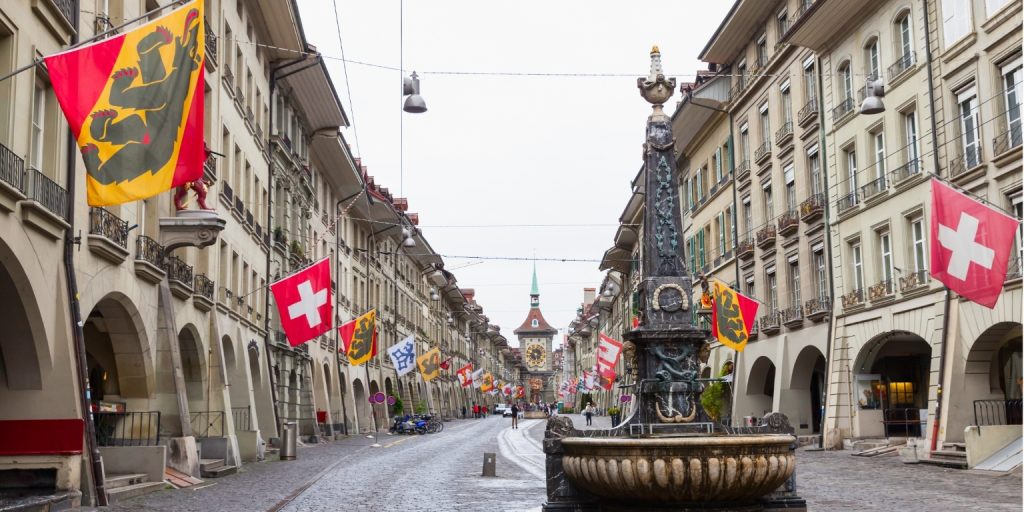
The Kramgasse in Bern: Baroque arcades, the Samson and Zähringen fountains, guild houses and the flat where Einstein lived until 1905. Checked October 2026.
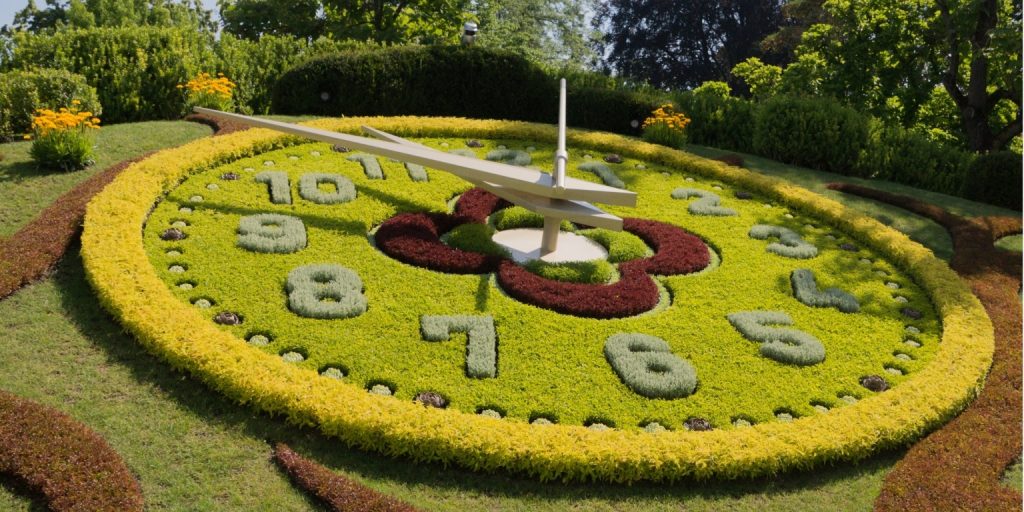
Geneva’s Flower Clock in the Jardin Anglais: created in 1955 for the city’s watchmakers, replanted every season, with a 2.5-metre second hand. Checked October 2026.
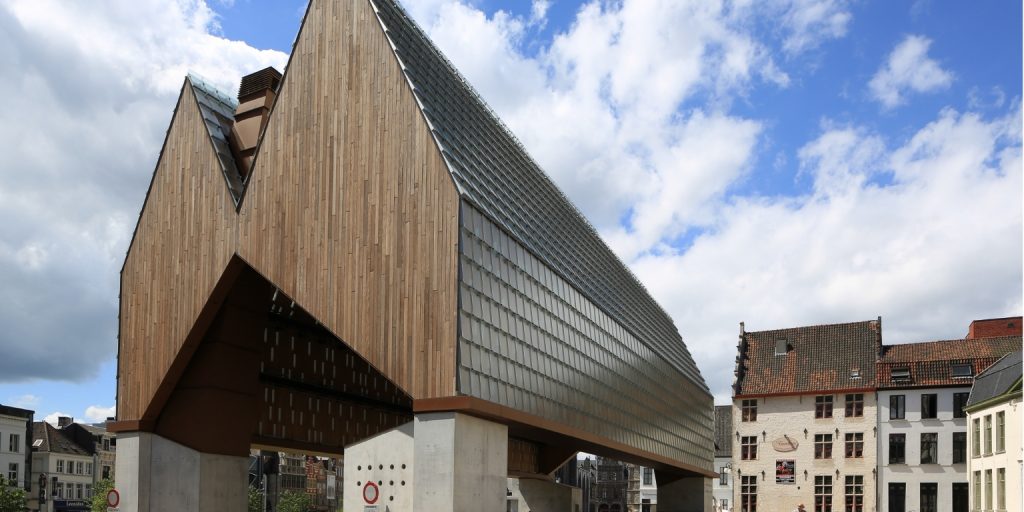
The Stadshal’s journey from a conceptual design to a completed landmark was marked by significant controversy. Prior to its construction,
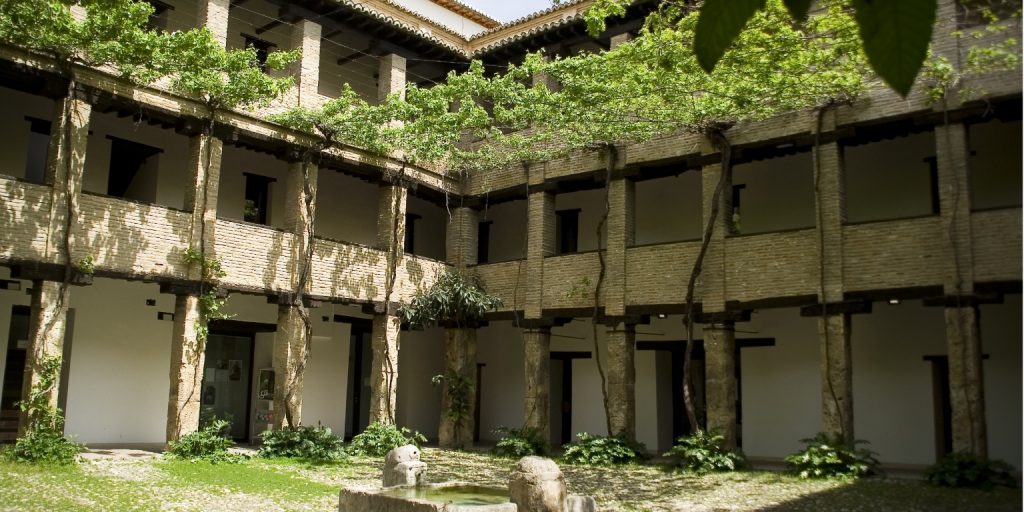
The Corral del Carbón, located in the heart of Granada, is a historic monument of immense significance. Often overlooked by
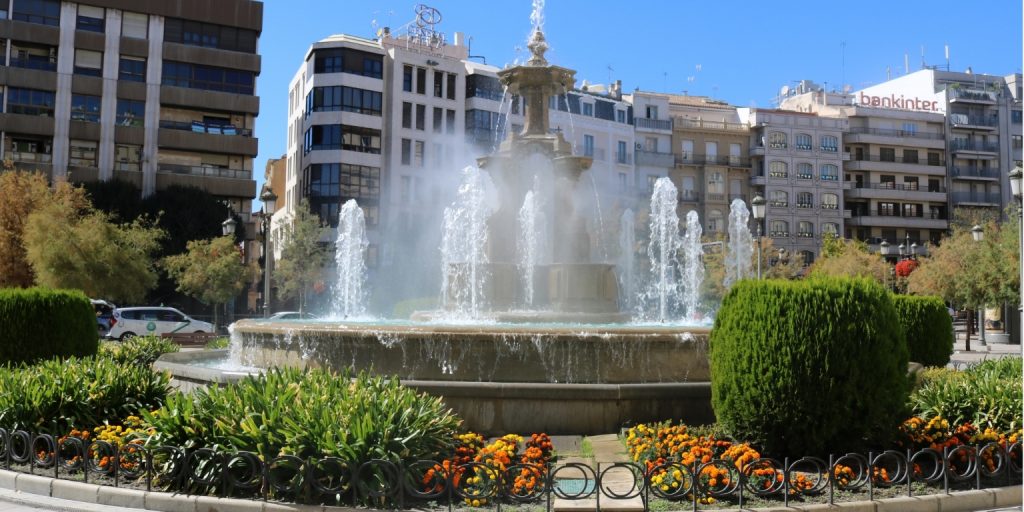
The Fuente de las Batallas, or “Fountain of the Battles,” is a prominent and beloved landmark located in the bustling
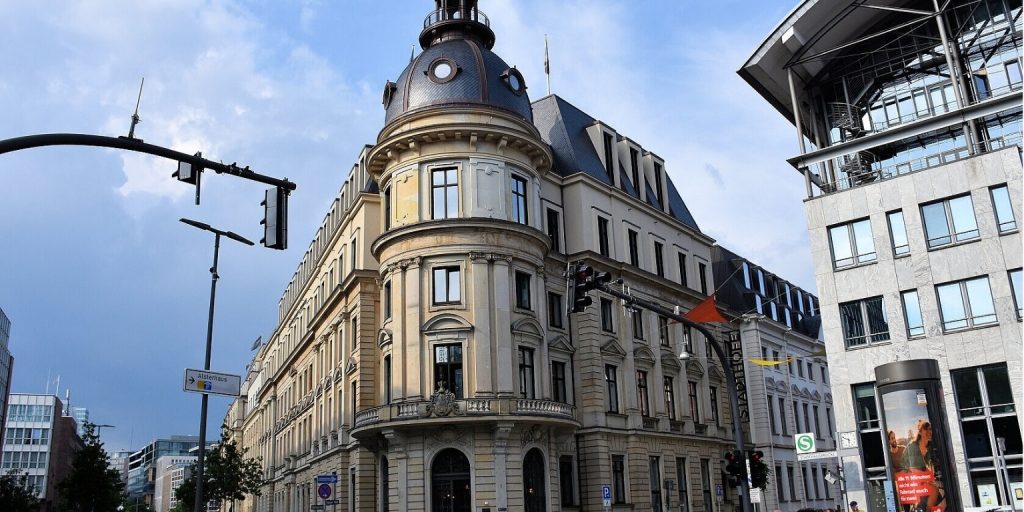
The Stadthaus in Hamburg is a landmark of profound historical significance. Situated near the city center on the Stadthausbrücke, this
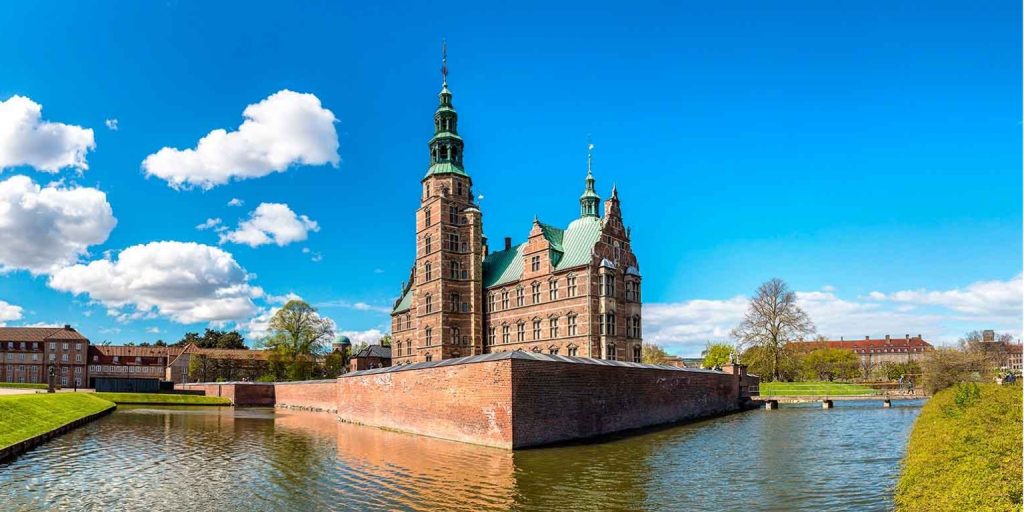
Rosenborg Castle is one of Copenhagen’s most magnificent and historically significant landmarks. This stunning Renaissance castle, with its distinctive red
Ofelia Plads in Copenhagen: a 2016 harbour square on an old ferry pier, with steps into the water, an open-air stage and a car park below. Checked October 2026.
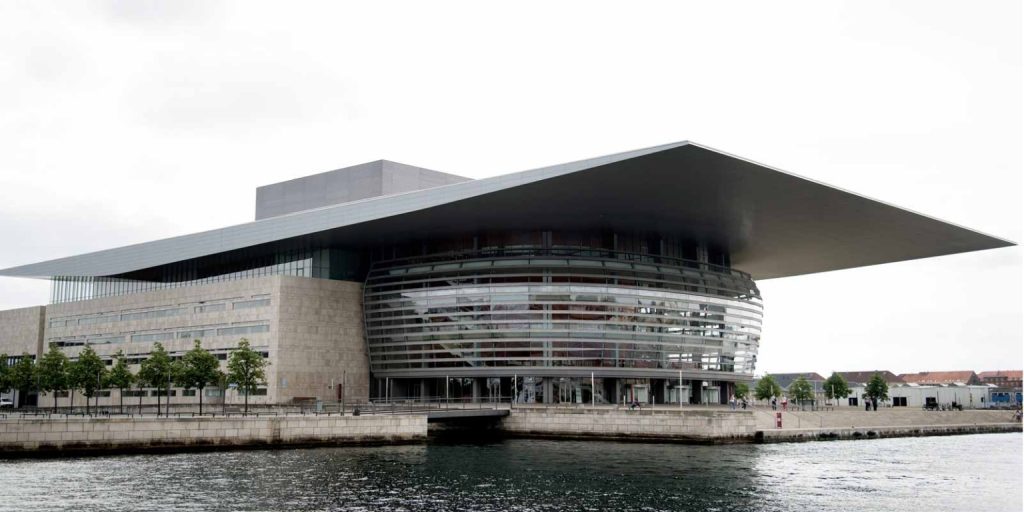
The Copenhagen Opera House was a generous donation from the A.P. Møller and Chastine Mc-Kinney Møller Foundation to the Danish
