
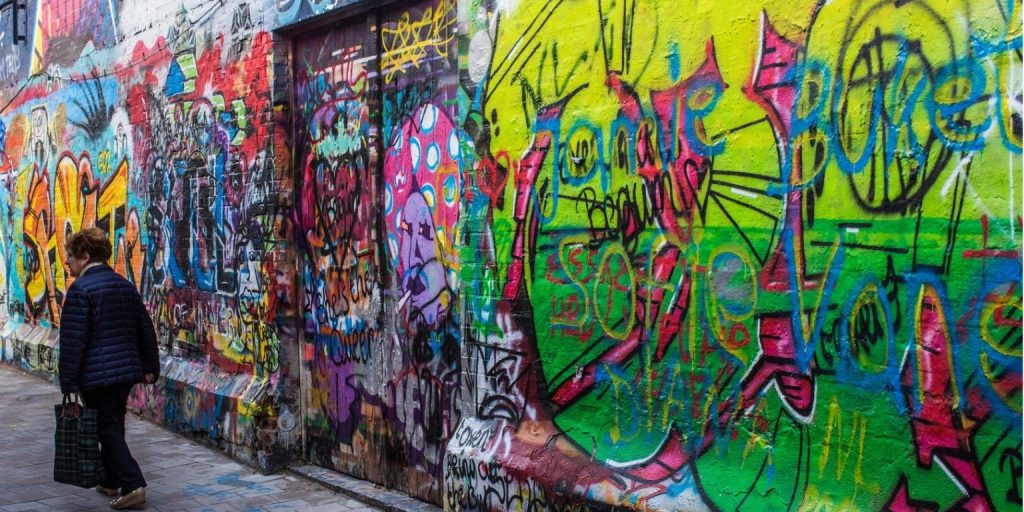
In the historic core of Ghent, a city renowned for its medieval architecture and artistic heritage, lies a hidden alleyway that serves as a dynamic and ever-changing monument to urban art. Graffiti Street, this narrow lane, officially known as the Werregarenstraatje, has been affectionately dubbed Graffiti Street by locals and tourists alike. It is a unique cultural space where street art is not only tolerated but actively encouraged, offering a constantly evolving visual feast that captures the raw, unfiltered energy of the urban art scene.
A Deliberate Act of Urban Art
The existence of Graffiti Street is a deliberate and forward-thinking act by the city of Ghent. Unlike in many other urban areas where graffiti is seen as vandalism and a sign of urban decay, the city authorities designated this specific alleyway as a legal canvas for graffiti artists. This policy was part of a broader strategy to manage street art and provide a creative outlet for artists, channeling a form of expression that would otherwise appear illicitly on other public buildings. This bold decision transformed what could have been a nondescript side street into a celebrated public gallery.
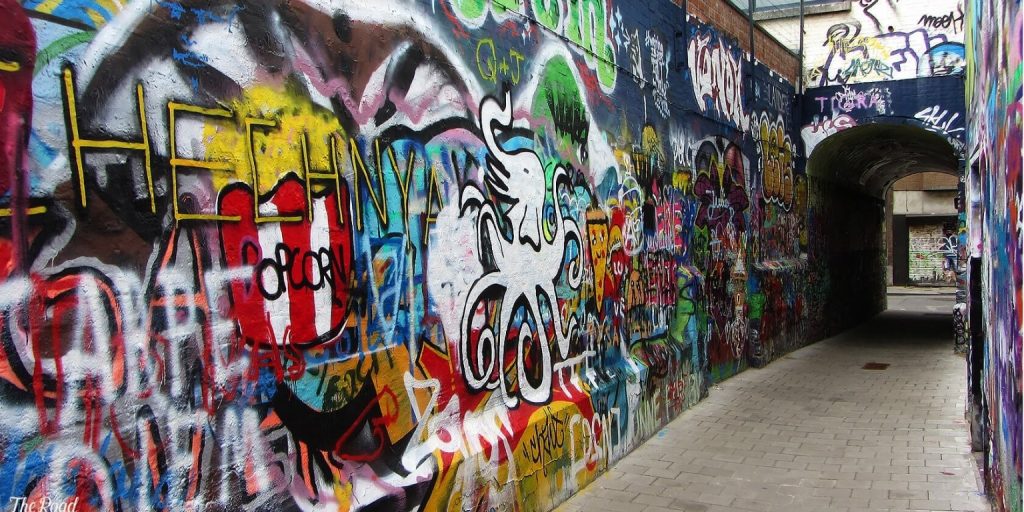
The Graffiti Street is a testament to this unique policy. Every inch of its walls—from the ground to the top of the adjacent buildings—is covered in layers of paint. Works are constantly painted over, creating a living palimpsest of artistic styles, colors, and messages. A piece of art that you see one day may be gone the next, replaced by a new creation. This constant renewal ensures that the street never looks the same and remains a fresh and surprising experience for every visitor.
An Unofficial Public Gallery
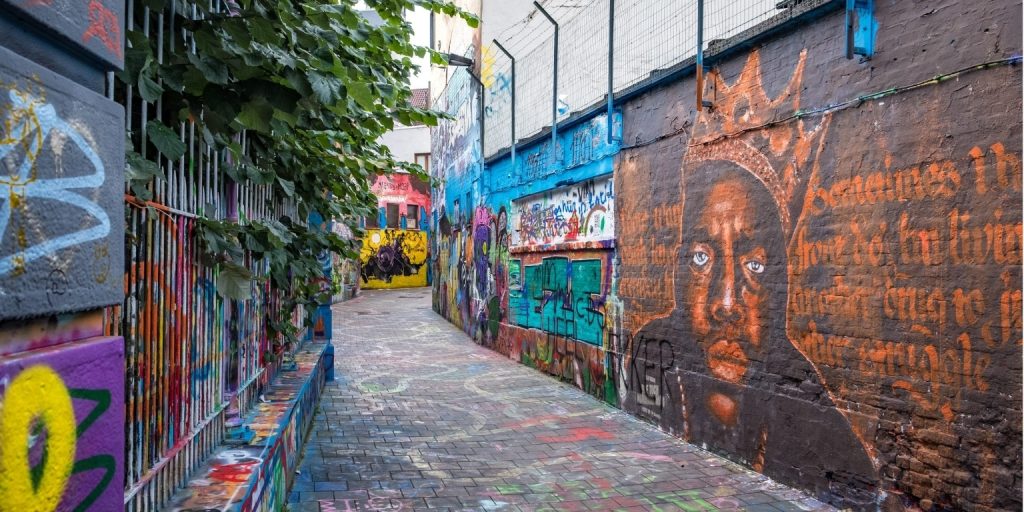
What makes Graffiti Street so compelling is its lack of curation. There are no rules, no themes, and no formal selection process. Any artist, from a seasoned veteran with a complex mural to a beginner with a simple tag, can contribute to the canvas. This democratic approach creates a vibrant and often chaotic tapestry of urban expression. You can find everything from intricate, photo-realistic portraits to abstract patterns, and from bold lettering to subtle stencils. The street art reflects a wide range of styles and social commentary, making the alleyway a fascinating barometer of contemporary urban culture.
The unwritten code among the artists is one of mutual respect. While pieces are often painted over, there is an understanding that new work builds upon the old, adding a new layer to the street’s history. This organic process gives the street its distinctive character, a layered history of creation and destruction that is unique to this form of art.
Beyond the Walls
The impact of Graffiti Street extends beyond its physical boundaries. It has helped establish Ghent as a major hub for street art in Europe, attracting artists and enthusiasts from all over the world. The city has a thriving street art scene, with numerous other pieces and large-scale murals visible throughout the city, often in areas where they are commissioned and encouraged. The Werregarenstraatje, however, remains the epicenter, a focal point where visitors can witness the raw, unadulterated form of the art.
Located just a short walk from the city’s main attractions, such as St. Bavo’s Cathedral and the Belfry of Ghent, Graffiti Street offers a stark and powerful contrast to the medieval architecture that defines the city center. It is a place that challenges traditional notions of beauty and public space. For many, it is a powerful statement about the city’s willingness to embrace unconventional creativity and its support for a form of art that is often misunderstood.
A visit to the Werregarenstraatje is an essential part of the Ghent experience. It’s a place to stand still and let your eyes wander, to discover new details with every glance. It is a temporary, ever-changing gallery that perfectly captures the spirit of a city that cherishes both its rich past and its vibrant, artistic present.