
Table of Contents
A charming medieval city
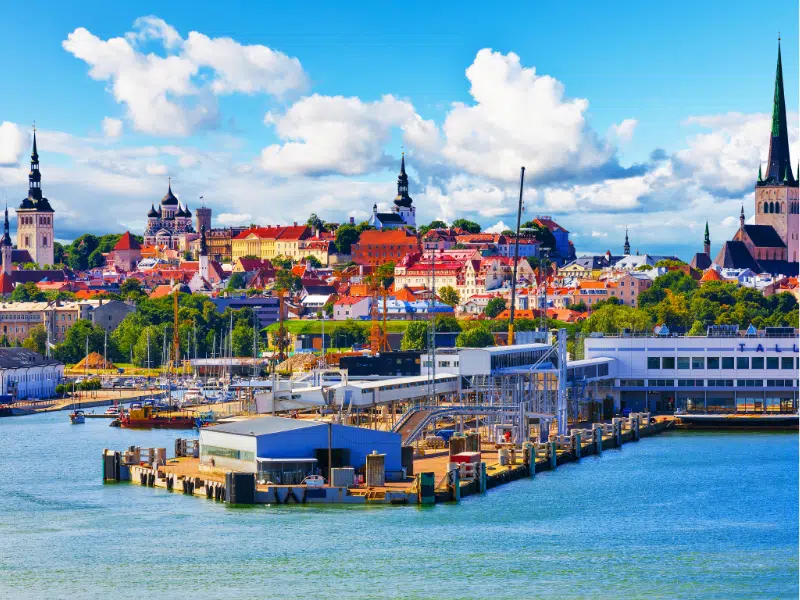
Tallinn, the capital of Estonia, is a charming medieval city known for its well-preserved Old Town, cobblestone streets, and stunning architecture. The city offers a delightful blend of history, culture, and natural beauty, making it a popular tourist destination.
Key Features of Tallinn
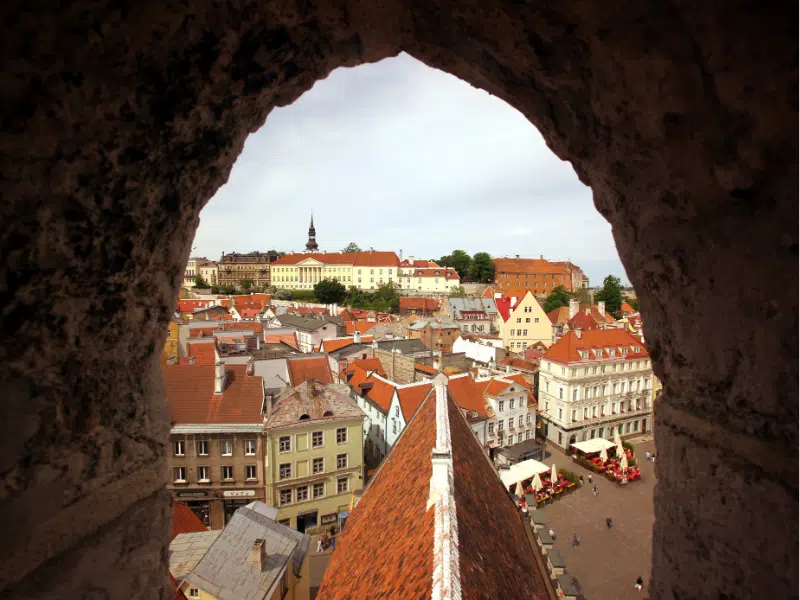
- Medieval Old Town: Tallinn’s Old Town is a UNESCO World Heritage Site, renowned for its well-preserved medieval architecture, cobblestone streets, and charming atmosphere.
- Tallinn Town Hall: The Town Hall is a Gothic masterpiece and one of the oldest town halls in Northern Europe.
- Toompea Hill: Toompea Hill, the upper part of the city, is home to the Estonian Parliament and offers panoramic views of Tallinn.
- Alexander Nevsky Cathedral: This Russian Orthodox cathedral is a prominent landmark in Tallinn, known for its onion domes and ornate interior.
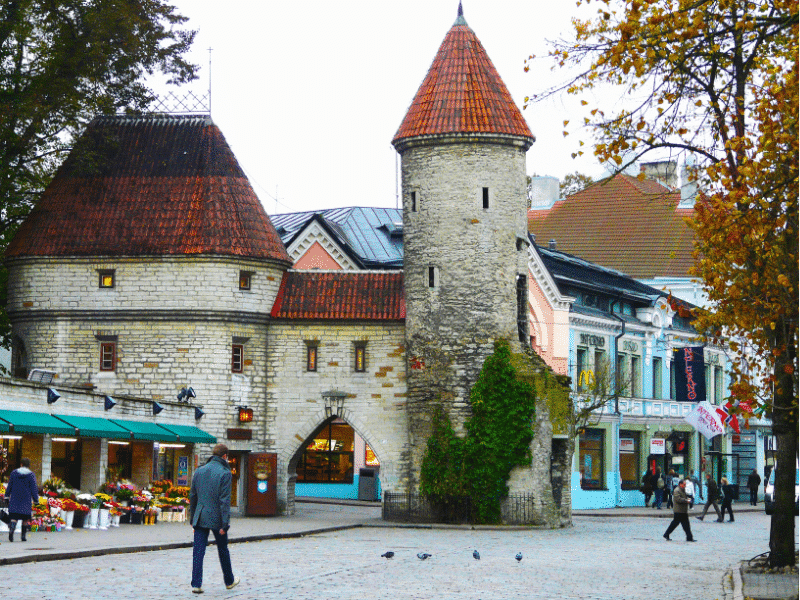
- Viru Gate: The Viru Gate is a historic gateway that once formed part of the city’s defensive walls.
- Kiek in de Kök: This medieval tower offers a glimpse into the city’s past, with exhibits on its history and defense.
- Kadriorg Park: This beautiful park is home to the Kadriorg Palace, a Baroque-style summer residence built in the early 18th century.
- Maritime History: Tallinn has a rich maritime history, reflected in its maritime museums and historic harbor.
- Baltic Sea: The city is located on the Baltic Sea, offering opportunities for boating, sailing, and beach activities.
- Cultural Scene: Tallinn has a vibrant cultural scene, with numerous museums, theaters, and music venues.
Fun Facts About Tallinn
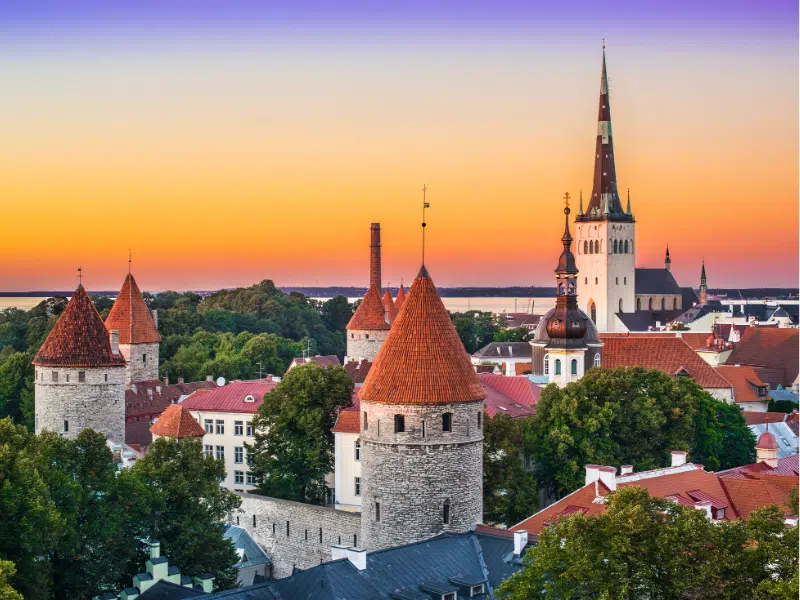
- City of Spires: Tallinn is often called the “City of Spires” due to its many tall, pointed church towers.
- Medieval Christmas Market: Tallinn’s Christmas market is one of the most popular in Europe, offering a charming and festive atmosphere.
- Smallest Capital City in the Baltic States: Tallinn is the smallest capital city in the Baltic States (Estonia, Latvia, and Lithuania).
- Medieval Walls: Tallinn’s Old Town is surrounded by well-preserved medieval walls, offering a glimpse into the city’s past.
- Kiek in de Kök’s Secret Tunnel: The Kiek in de Kök tower has a secret tunnel that connected it to the Tallinn Town Hall.
- Kadriorg Palace’s Russian Connection: The palace was built by Peter the Great of Russia for his wife Catherine I.
- Tallinn Song Festival: This annual choral music festival is one of the largest in the world.
- Old Hansa Port: Tallinn’s harbor was once a major trading post of the Hanseatic League.
- Tallinn Black Salted Herring: This traditional Estonian dish is a local delicacy.
- Tallinn’s Summer Nights: Tallinn experiences long summer nights, with daylight lasting until late evening.
Local legends about Tallinn
- The Legend of the Three Brothers: This legend tells the story of three brothers who founded the city of Tallinn. According to the legend, each brother built a part of the city, resulting in the three hills that Tallinn is built upon.
- The Legend of the Viru Maiden: The legend of the Viru Maiden tells the story of a young woman who was sacrificed to the gods to protect the city. Her spirit is said to still haunt the Viru Gate.
- The Legend of the Toompea Dragon: Some believe that a dragon once lived on Toompea Hill, guarding the city from invaders.
- The Legend of the Singing Well: There is a legend of a well in Tallinn that is said to sing when a maiden approaches it with a pure heart.
- The Legend of the Old Town Ghost: Some say that the ghost of a medieval woman haunts the streets of Tallinn’s Old Town, searching for her lost love.
What about the history of Tallinn?
- Medieval Foundation: Tallinn was founded in the 12th century by Danish crusaders, who built a fortress on Toompea Hill.
- Hanseatic League: The city joined the Hanseatic League, a powerful medieval trade association, becoming a major trading center in the Baltic region.
- Livonian Order: In the 13th century, Tallinn came under the control of the Livonian Order, a German military religious order.
- Swedish Rule: In the 16th century, Sweden conquered Estonia, including Tallinn.
- Russian Empire: In the 18th century, Tallinn became part of the Russian Empire, and its cultural and political influence increased.
- Independence: Estonia declared independence from Russia in 1918, but was reoccupied by the Soviet Union in 1940.
- Soviet Occupation: During the Soviet era, Tallinn experienced significant changes, with many historical buildings being demolished and replaced with Soviet-style architecture.
- Independence Restoration: Estonia regained independence from the Soviet Union in 1991 and joined the European Union and NATO in 2004.
- Modern-Day Tallinn: Today, Tallinn is a vibrant and prosperous city, known for its historic Old Town, cultural attractions, and modern amenities.
Must-Try Food in Tallinn
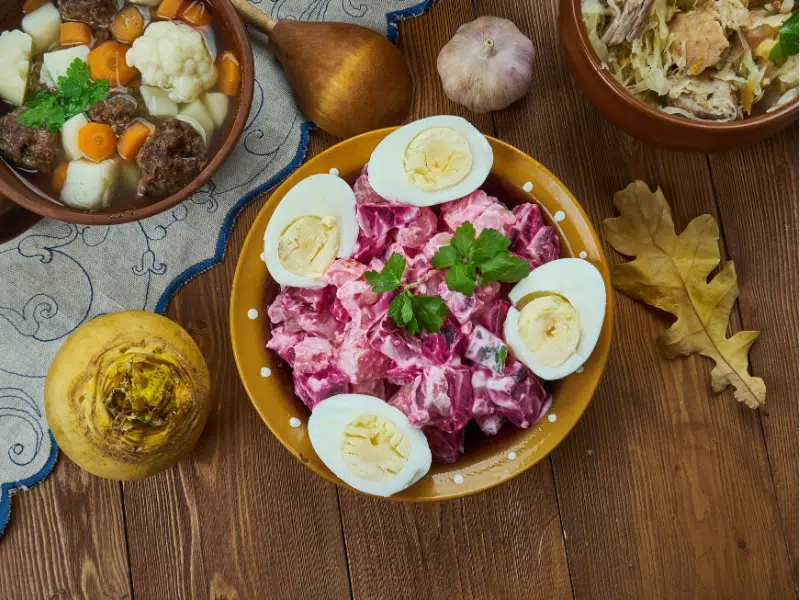
- Verivorst: A traditional Estonian blood sausage, often served with mashed potatoes and sauerkraut.
- Suitsukala: Smoked fish, such as smoked herring or smoked salmon, is a popular Estonian delicacy.
- Piparkoogid: Gingerbread cookies, a traditional Estonian Christmas treat.
- Heringusalat: A herring salad, often served with boiled potatoes and rye bread.
- Mustad Sõbrad: Black salted herring, a popular Estonian appetizer.
- Vana Tallinn: A traditional Estonian liqueur made from herbs and spices.
- Leib: Estonian rye bread, often topped with butter and cheese.
- Supikas: Estonian soup, often made with vegetables, meat, or fish.
- Kohuke: A popular Estonian dessert made with curd cheese, sugar, and cocoa powder.
- Rukileib: Estonian rye bread, known for its dense texture and slightly sour taste.
Must Visit Attractions in Tallinn
Viru Gate: A historic gateway that once formed part of the city’s defensive walls, offering a glimpse into Tallinn’s medieval past.
Dominican St. Catherine’s Monastery Claustrum: A beautifully preserved medieval cloister, now a museum showcasing religious artifacts and exhibits.
Tallinn Town Hall: A Gothic masterpiece and one of the oldest town halls in Northern Europe, featuring a towering spire and ornate architecture.
Eduard Vilde Monument: A monument dedicated to the famous Estonian writer Eduard Vilde, known for his realistic novels.
Freedom Square: A central square in Tallinn, featuring a monument to Estonian independence and serving as a gathering place for events and celebrations.
Alexander Nevsky Cathedral: A prominent Russian Orthodox cathedral with distinctive onion domes and ornate interior.
Estonian History Museum – Great Guild Hall: This museum showcases the history of Estonia, with exhibits on its medieval past, Soviet occupation, and independence.
House of the Blackheads: A historic building that once served as the headquarters of the Brotherhood of Blackheads, a merchant guild.
St Olaf’s Church: A towering church spire that dominates the Tallinn skyline, offering panoramic views of the city.
Estonian Maritime Museum: Explore the history of Estonian maritime traditions and shipbuilding through interactive exhibits and artifacts.
This walking tour will take you through the heart of Tallinn, allowing you to experience the city’s rich history, stunning architecture, and cultural significance.

Explore Tallinn with World City Trail!
Embark on an unforgettable journey through the enchanting city of Tallinn with World City Trail. Our interactive walking tour combines the thrill of exploration with the rich history and culture of this beatiful city.
Key Features:
Interactive gameplay: Solve engaging puzzles and challenges as you explore the city.
Iconic landmarks: Discover famous attractions like the Tallinn Town Hall and the Eduard Vilde Monument
Hidden gems: Uncover lesser-known spots, such as the House of the Blackheads or the St Olaf’s Church
Cultural insights: Learn about Tallinn’s fascinating history.
Flexibility: Explore at your own pace and create your own itinerary.
Learn more fun facts about Tallinn!
Book your Tallinn adventure today and experience the magic of this beatiful city.
Further reading on Wikipedia: Kadriorg Palace