
Table of Contents
The Temple of Victory (Tempio della Vittoria) is a solemn and powerful landmark located in the heart of Milan. Erected to commemorate the fallen Italian soldiers of World War I, this striking monument combines architectural grandeur with profound historical significance. It stands as a testament to the sacrifices made during one of the most challenging periods in Italy’s history, offering a space for reflection and remembrance.
Historical Significance
The Temple of Victory was commissioned in the aftermath of World War I to honor the more than 10,000 Milanese soldiers who lost their lives in the conflict. Built between 1927 and 1930, the temple was part of a nationwide effort to memorialize the fallen and instill a sense of national pride. Designed by the architect Giovanni Muzio, the monument reflects the solemnity of its purpose while also embracing the stylistic trends of the Fascist era.
Originally, the site of the temple had a much older significance. It was built on the location of the demolished San Giovanni in Conca, a medieval church dating back to the 4th century. Some remnants of this early structure can still be seen nearby, connecting the monument to Milan’s ancient past.
Architectural Features
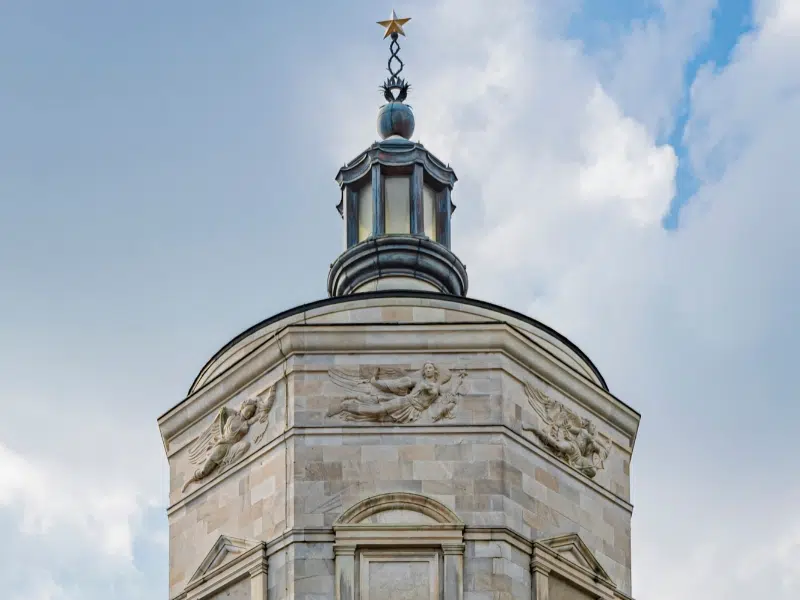
The Temple of Victory is a striking example of rationalist architecture, a style that was prominent in Italy during the early 20th century. Its clean lines, symmetrical design, and imposing presence embody the ideals of strength and resilience. The temple is constructed from limestone and brick, with a tall, square tower that rises prominently, symbolizing the enduring spirit of those it honors.
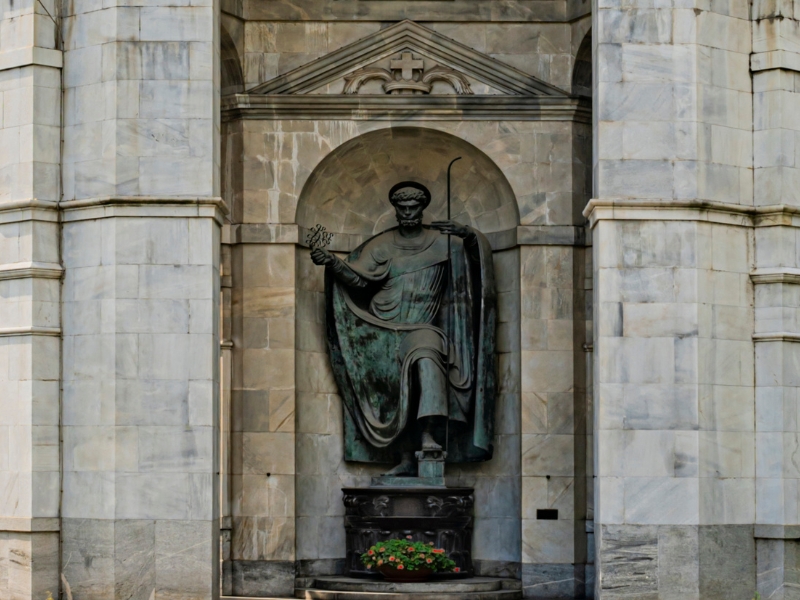
The façade is adorned with bas-reliefs and inscriptions commemorating the fallen soldiers. A large bronze door at the entrance adds to the monument’s sense of gravitas, and inside, visitors find a tranquil and reflective space. The interior houses plaques bearing the names of the fallen soldiers, each one a poignant reminder of individual sacrifice.
A Place of Remembrance
The Temple of Victory is not just an architectural landmark but also a deeply symbolic site. Each year, on national holidays such as November 4th (National Unity and Armed Forces Day), ceremonies are held at the temple to pay tribute to the soldiers it commemorates. Visitors often leave flowers or wreaths, adding a personal touch to the collective memory enshrined within its walls.
Visiting the Temple of Victory
Located in Milan’s historic center near Piazza Sant’Ambrogio, the Temple of Victory is easily accessible to visitors exploring the city. Its proximity to other notable landmarks, such as the Basilica di Sant’Ambrogio, makes it a convenient addition to any cultural itinerary. While the site itself does not take long to explore, its impact resonates deeply, leaving visitors with a sense of reverence and appreciation for the sacrifices of the past.
The Temple of Victory stands as both a historical monument and a profound reminder of the cost of war. Its architectural beauty and solemn purpose make it a unique and meaningful stop for those visiting Milan. Whether you’re a history enthusiast or someone seeking a moment of quiet reflection, this landmark offers a poignant connection to Italy’s past and the enduring spirit of its people.
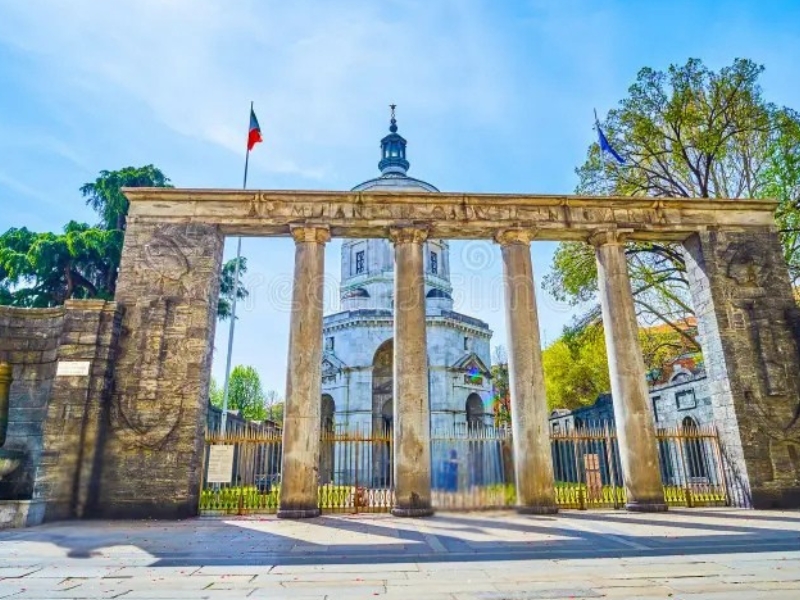
Temple Of Victory is part of Milan scavenger hunt and walking tour!
Embark on an unforgettable journey through the enchanting city of Milan with World City Trail. Our interactive walking tour combines the thrill of exploration with the rich history and culture of this beautiful city.
Key Features:
Interactive gameplay: Solve engaging puzzles and challenges as you explore the city.
Hidden gems: Uncover lesser-known spots.
Cultural insights: Learn about the city’s fascinating history.
Flexibility: Explore at your own pace and create your own itinerary.
Family friendly activity and a great way to explore the city!
Further reading on Wikipedia: Milan