

Table of Contents
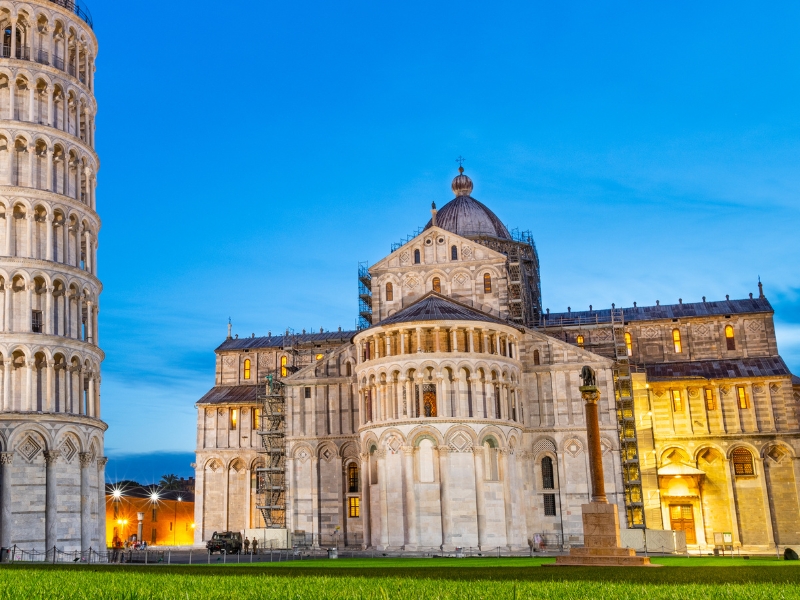
The Cattedrale di Pisa, officially the Primatial Metropolitan Cathedral of the Assumption of the Virgin Mary, stands as a majestic testament to the wealth, power, and artistic prowess of the medieval Republic of Pisa. Located within the awe-inspiring Piazza dei Miracoli, this magnificent cathedral is a masterpiece of Pisan Romanesque architecture, captivating visitors with its grandeur, intricate details, and profound historical significance.
A Monument to Pisan Maritime Dominance
Construction of the Cattedrale di Pisa began in 1063, a period of unprecedented prosperity for the maritime Republic of Pisa. As a major Mediterranean power, Pisa amassed significant wealth through its extensive trade networks, funding ambitious construction projects that showcased the city’s wealth and power. The decision to build such a grand cathedral reflected this newfound prosperity and served as a powerful symbol of Pisan dominance.
A Blend of Architectural Influences
The Cattedrale di Pisa itself is a fascinating blend of architectural styles, drawing inspiration from various sources. The use of arches, both round and pointed, reflects the influence of Roman and Islamic architecture, a testament to the cosmopolitan nature of Pisa during this period, a city that was a melting pot of cultures and influences. The exterior, a masterpiece of Pisan Romanesque design, is adorned with intricate marble inlays, creating a stunning visual spectacle.
The interior of the cathedral is equally impressive, boasting a vast and airy space with five naves supported by rows of imposing granite columns, creating a sense of grandeur and awe. The elegant simplicity of the Romanesque style is evident throughout, with the focus on clean lines, geometric shapes, and the harmonious interplay of light and shadow.
The most notable artistic treasure is the magnificent pulpit by Giovanni Pisano, a masterpiece of Gothic sculpture renowned for its intricate carvings and expressive figures depicting scenes from the life of Christ. Other significant works include the monument to Emperor Henry VII, created by Tino di Camaino, a renowned sculptor of the 14th century, and a series of stunning frescoes that adorn the walls and ceilings of the cathedral, offering glimpses into the religious and artistic sensibilities of the era.
A Symbol of Pisan Identity
The Cattedrale di Pisa is more than just a place of worship; it’s a symbol of Pisan identity, a testament to the city’s wealth, power, and cultural achievements during the medieval period. It stands as a reminder of the city’s maritime dominance, its flourishing trade networks, and its vibrant cultural and artistic life.
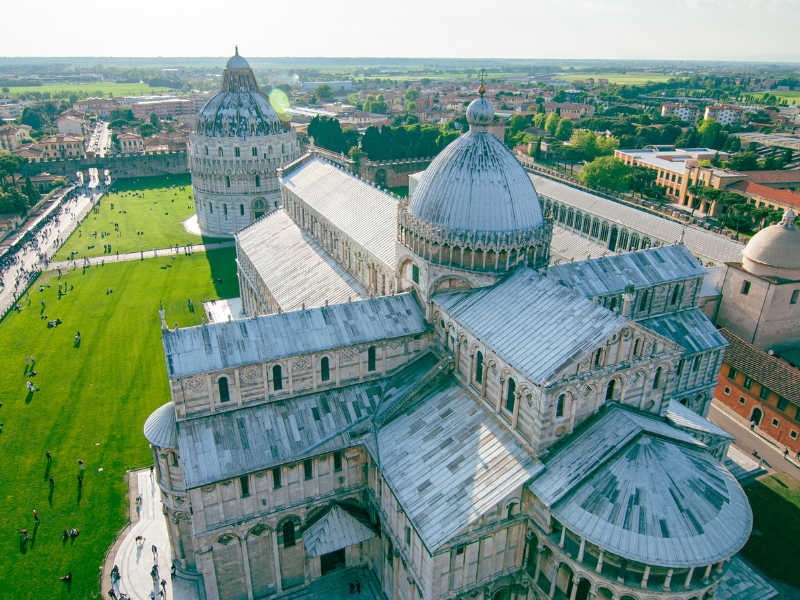
The cathedral forms an integral part of the Piazza dei Miracoli, a UNESCO World Heritage Site that also includes the Leaning Tower of Pisa, the Baptistery of St. John, and the Camposanto. Together, these monuments create a unique and unforgettable architectural ensemble, showcasing the artistic and cultural achievements of Pisa during its golden age.
The Cattedrale di Pisa continues to inspire and awe visitors from around the globe. It stands as a testament to the ingenuity and artistry of its builders, a symbol of Pisan power and cultural achievement, and a lasting legacy of the city’s rich and vibrant history.
Cattedrale di Pisa is part of Pisa scavenger hunt and walking tour!
Embark on an unforgettable journey through the enchanting city of Pisa with World City Trail. Our interactive walking tour combines the thrill of exploration with the rich history and culture of this beautiful city.
Key Features:
Interactive gameplay: Solve engaging puzzles and challenges as you explore the city.
Hidden gems: Uncover lesser-known spots.
Cultural insights: Learn about the city’s fascinating history.
Flexibility: Explore at your own pace and create your own itinerary.
Family friendly activity and a great way to explore the city!
Further reading on Wikipedia: Pisa